
Post-Surgical Rehabilitation
Recovering after surgery? Our evidence-based rehabilitation programmes help reduce pain, restore movement, rebuild strength, and safely return you to daily life, work, and sport.
Surgery is only the first step in recovery. A structured physiotherapy programme helps restore mobility, muscle strength, balance, confidence, and function while reducing the risk of complications and supporting the best possible long-term outcome.
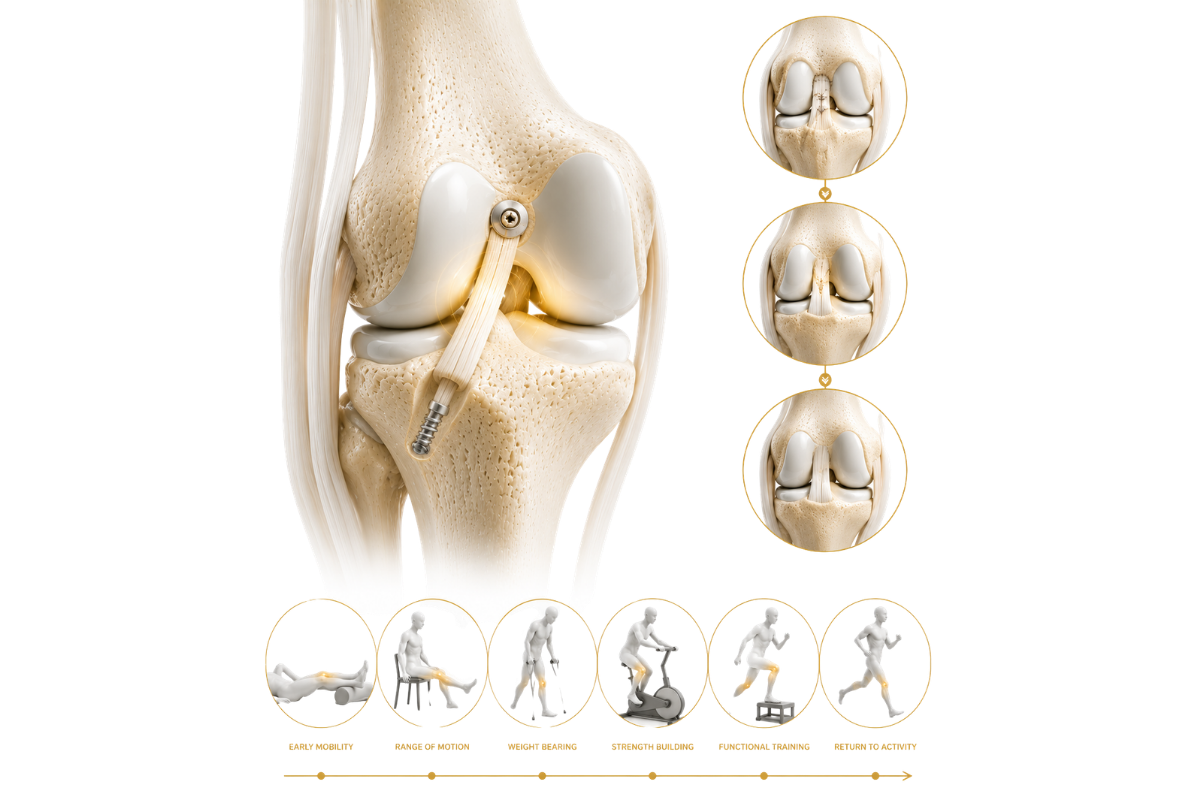
QUICK OVERVIEW
Post-Surgical Rehabilitation at a Glance
COMMON CHALLENGES AFTER SURGERY
Is This What You're Experiencing?
Pain
Pain is common during the early stages of recovery but should gradually improve.
Swelling
Swelling around the surgical area may temporarily limit movement and function.
Joint Stiffness
Reduced movement often develops after surgery due to tissue healing and temporary immobilisation.
Muscle Weakness
Muscle strength decreases rapidly after surgery and requires progressive rehabilitation.
Difficulty Walking
Some procedures temporarily affect balance, walking, or weight-bearing ability.
Reduced Confidence
Many people feel uncertain about moving or loading the operated area.
Difficulty Returning to Work
Physical demands may initially exceed current function.
Difficulty Returning to Sport
Athletes often require structured, criteria-based rehabilitation before returning safely.
IMPORTANCE OF REHABILITATION
Why Is Rehabilitation Important?
Tissue Healing
Surgical tissues require time and progressively increasing load to heal.
Muscle Inhibition
Pain and swelling can reduce muscle activation, particularly after knee surgery.
Loss of Movement
Without rehabilitation, stiffness can become difficult to reverse.
Reduced Strength
Muscles weaken quickly after surgery due to reduced activity.
Balance Deficits
Joint surgery can temporarily affect proprioception and coordination.
Functional Recovery
Everyday activities such as walking, climbing stairs, dressing, and driving require structured retraining.
WHO CAN BENEFIT
Who Can Benefit?
ACL Reconstruction Patients
Total Knee Replacement Patients
Total Hip Replacement Patients
Rotator Cuff Repair Patients
Spinal Surgery Patients
Meniscus Surgery Patients
Ankle Ligament Reconstruction Patients
Fracture Fixation Patients
Joint Replacement Patients
Sports Surgery Patients
ASSESSMENT
How Is Recovery Assessed?
Comprehensive Physiotherapy Assessment
Medical History
- Surgical procedure
- Date of surgery
- Surgeon recommendations
- Current symptoms
- Activity goals
- Medical history
Physical Examination
- Pain
- Swelling
- Joint movement
- Muscle strength
- Walking pattern
- Balance
- Functional activities
Functional Testing & Progress Monitoring
Functional Testing
- Sit-to-stand performance
- Walking speed
- Stair climbing
- Single-leg balance
- Hop testing
- Sport-specific movement analysis
Progress Monitoring
Recovery is regularly reassessed using objective measures to ensure safe progression through each phase of rehabilitation.
SEEKING HELP
When Should You Seek Help?
Early Rehabilitation
Physiotherapy is recommended as soon as your surgeon advises it, often within the first few days after surgery.
Book a Physiotherapy Assessment
Recommended if:
- You're unsure how much activity is safe
- Pain or stiffness is limiting progress
- Walking remains difficult
- You want to return to work or sport safely
- You have completed hospital rehabilitation but need further progression
Contact Your Surgeon or Seek Urgent Medical Care
Seek prompt medical attention if you experience:
- Increasing redness, warmth, or wound discharge
- Fever following surgery
- Severe calf swelling or pain
- Sudden shortness of breath or chest pain
- Sudden loss of movement after a fall
- Persistent wound bleeding
TREATMENT OPTIONS
Treatment Options
Pain and Swelling Management
Strategies may include education, movement, compression, elevation (when appropriate), and surgeon-directed pain management.
Mobility Restoration
Gentle range-of-motion exercises help restore normal joint movement while respecting tissue healing.
Progressive Strengthening
Exercise intensity increases gradually as healing progresses.
Walking Retraining
Correct walking mechanics reduce compensatory movement patterns and improve confidence.
Balance and Coordination Training
Essential after lower-limb surgery to restore joint control.
Functional Rehabilitation
Rehabilitation progresses toward everyday activities, work demands, and recreational goals.
Return-to-Sport Rehabilitation
Athletes follow structured, criteria-based progression before unrestricted participation.
PHYSIOTHERAPY
How Physiotherapy Helps
Your rehabilitation programme may include:
- Pain management
- Swelling reduction
- Joint mobility restoration
- Progressive strengthening
- Balance training
- Gait retraining
- Functional movement retraining
- Scar management (when appropriate)
- Return-to-work planning
- Return-to-sport testing
- Long-term injury prevention
Every programme is personalised according to your surgery, healing stage, and goals.
RECOVERY JOURNEY
Recovery Timeline
EXERCISE LIBRARY
Common Rehabilitation Exercises
Note: Exercises vary according to the type of surgery. Your physiotherapist will prescribe a personalised programme.
Ankle Pumps
EasyPurpose: Improve circulation and reduce swelling
Heel Slides
EasyPurpose: Restore joint mobility
Quadriceps Sets
EasyPurpose: Restore muscle activation after knee surgery
Straight Leg Raise
ModeratePurpose: Lower-limb strengthening
Sit-to-Stand
ModeratePurpose: Functional strength
Balance Training
ProgressivePurpose: Improve stability and confidence
SUCCESS TIPS
Tips for a Successful Recovery
Follow Your Rehabilitation Programme
Consistency is one of the strongest predictors of successful recovery.
Stay Active Within Your Limits
Appropriate movement promotes healing and reduces stiffness.
Manage Swelling
Use the strategies recommended by your healthcare team.
Prioritise Nutrition
Adequate protein intake and a balanced diet support tissue healing.
Get Enough Sleep
Quality sleep is important for recovery and overall health.
Attend Follow-Up Appointments
Regular reviews help identify and address any problems early.
EXPLORE MORE
Related Conditions & Procedures
ACL Injury Rehabilitation
Meniscus Injury
Rotator Cuff Injury
Total Knee Replacement Rehabilitation
Total Hip Replacement Rehabilitation
Knee Osteoarthritis
Frozen Shoulder
Lumbar Spine Surgery Rehabilitation
Ankle Ligament Reconstruction
Fracture Rehabilitation
LEARN MORE
Related Resources
Recover Stronger with Expert Physiotherapy
Whether you've recently had surgery or you're preparing for an operation, a structured rehabilitation programme can make a significant difference to your recovery. Our physiotherapists provide personalised, evidence-based rehabilitation to help you regain movement, rebuild strength, and return safely to the activities that matter most to you.
Book Your Post-Surgical Rehabilitation Assessment TodayEvidence-based rehabilitation leads to better outcomes and safer return to activity.