
Arthritis
Living with joint pain or stiffness? Learn what arthritis is, the different types, and how physiotherapy can help you stay active, reduce pain, and protect your joints.
Arthritis is a group of conditions that affect the joints, causing pain, stiffness, swelling, and reduced movement. Early diagnosis and appropriate management can help improve function and quality of life.
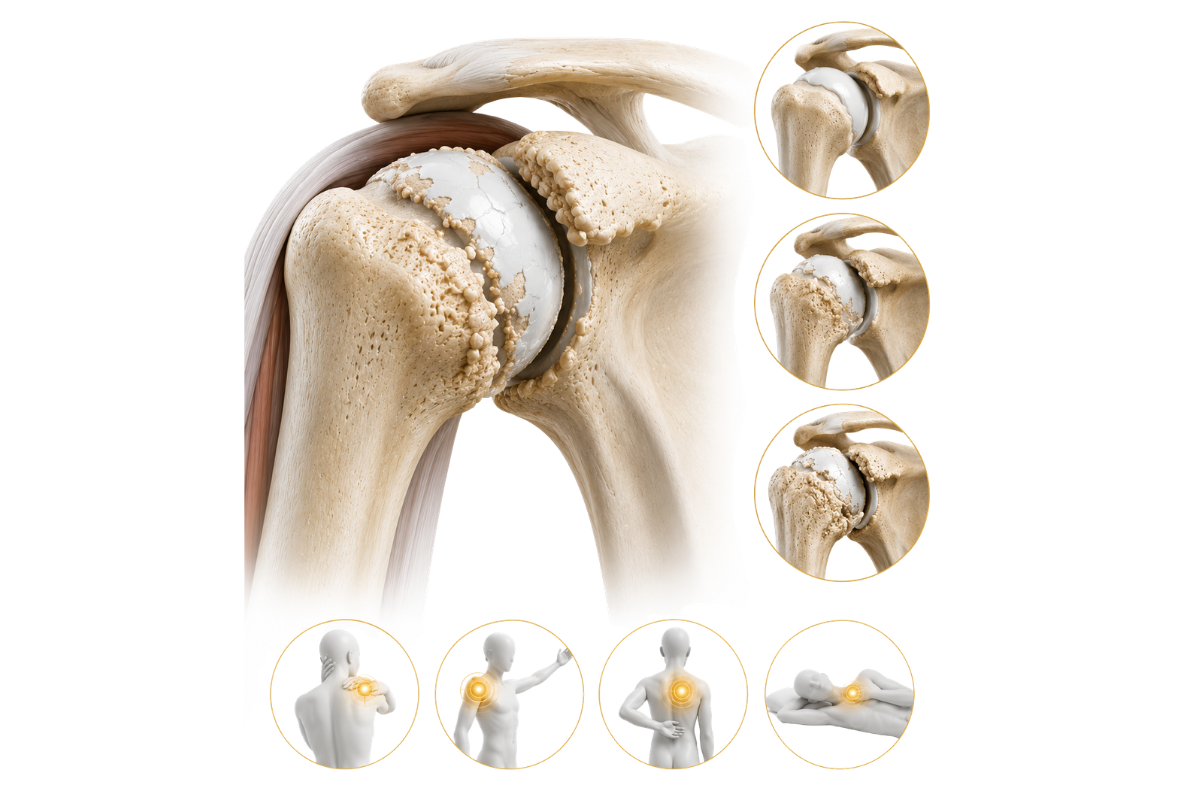
QUICK OVERVIEW
Arthritis at a Glance
COMMON SIGNS & SYMPTOMS
Is This What You're Feeling?
Joint Pain
Pain may occur during movement or at rest depending on the type of arthritis.
Morning Stiffness
Many people notice stiffness after waking or after prolonged rest.
Swollen Joints
Inflammation may cause visible swelling and warmth.
Reduced Joint Movement
Daily activities may become more difficult.
Joint Tenderness
Affected joints may be painful to touch.
Weakness
Reduced activity and pain can lead to muscle weakness around the affected joint.
Difficulty Walking or Using the Hands
Depending on which joints are affected.
Fatigue
Inflammatory forms of arthritis often cause general fatigue.
COMMON CAUSES
Why Does Arthritis Happen?
Wear-and-Tear Changes
Osteoarthritis develops due to complex joint changes involving cartilage, bone, muscles, and surrounding tissues.
Autoimmune Disease
In rheumatoid arthritis and some other conditions, the immune system mistakenly attacks healthy joint tissues.
Crystal Deposition
Conditions such as gout occur when crystals build up within the joint.
Previous Joint Injury
Past ligament injuries, fractures, or meniscal injuries may increase the risk of developing osteoarthritis later.
Genetics
Family history influences the risk of several forms of arthritis.
Infection
Although uncommon, certain infections can affect the joints and require urgent medical treatment.
RISK FACTORS
Who Is Most at Risk?
Older Adults
Especially for osteoarthritis.
Individuals with Autoimmune Conditions
Higher risk of inflammatory arthritis.
People with Previous Joint Injuries
Particularly knee, hip, and ankle injuries.
Individuals with Obesity
Higher joint loading may increase the risk of osteoarthritis.
People with a Family History of Arthritis
Genetics contributes to several arthritis types.
Occupations with Repetitive Joint Loading
Some jobs increase cumulative stress on specific joints.
DIAGNOSIS
How Is Arthritis Diagnosed?
Comprehensive Assessment
Medical History
- Pain pattern
- Morning stiffness
- Swelling
- Previous injuries
- Family history
- Medical conditions
- Daily function
Physical Examination
- Joint movement
- Swelling
- Tenderness
- Muscle strength
- Walking
- Functional activities
Blood Tests & Imaging
Blood Tests
Blood tests may help identify inflammatory arthritis or other systemic conditions.
Imaging
Depending on the suspected type, imaging may include X-ray, Ultrasound, or MRI. Imaging findings are interpreted alongside your symptoms and physical examination.
SEEKING HELP
When Should You Get Help?
Self-Management
Appropriate if:
- Mild intermittent symptoms
- Symptoms improve with movement
- Daily activities remain manageable
Book a Physiotherapy or Medical Assessment
Recommended if:
- Pain lasts more than a few weeks
- Morning stiffness persists
- Swelling develops
- Daily activities become difficult
- You notice progressive loss of function
Seek Urgent Medical Assessment
Seek prompt medical attention if you experience:
- A hot, swollen joint with fever
- Sudden inability to move a joint
- Rapidly increasing redness or swelling
- Severe pain following significant trauma
- Suspected septic arthritis
TREATMENT OPTIONS
Treatment Options
Education
Understanding your type of arthritis helps guide long-term management.
Exercise Therapy
Regular exercise is one of the most effective treatments for many forms of arthritis.
Weight Management
For lower-limb arthritis, maintaining a healthy body weight can reduce joint loading.
Physiotherapy
Individualized rehabilitation helps improve movement, strength, balance, and function.
Medication
Depending on the type, medications may include pain relief, anti-inflammatory drugs, DMARDs, biologic therapies, or urate-lowering therapy (prescribed and monitored by a medical professional).
Surgery
Joint replacement or other procedures may be considered when conservative treatment no longer provides adequate symptom control.
PHYSIOTHERAPY
How Physiotherapy Helps
Physiotherapy supports people with arthritis by helping to reduce pain, improve joint mobility, build muscle strength, improve balance, increase walking tolerance, improve function, support self-management, and prepare for or recover after joint replacement surgery.
LONG-TERM MANAGEMENT
Living Well with Arthritis
Early Stage
Education, maintaining activity, and beginning an exercise programme.
Ongoing Management
Regular strengthening, aerobic exercise, mobility work, and healthy lifestyle habits.
Advanced Stages
Individualized rehabilitation, assistive devices when needed, and consideration of surgical options for selected individuals.
Arthritis management is lifelong, but many people continue to lead active and fulfilling lives with appropriate care.
REHABILITATION EXERCISES
Recommended Exercises
Walking
EasyPurpose: General joint health and cardiovascular fitness.
Sit-to-Stand
EasyPurpose: Functional lower-limb strength.
Resistance Band Strengthening
ModeratePurpose: Improve muscle support around affected joints.
Balance Training
ModeratePurpose: Reduce falls risk and improve confidence.
Stationary Cycling
ModeratePurpose: Low-impact cardiovascular exercise.
Mobility Exercises
EasyPurpose: Maintain joint range of motion.
Exercise programmes should be individualized according to the type of arthritis, affected joints, symptoms, and overall health.
JOINT PROTECTION
Joint Protection Tips
Stay Active
Regular movement helps maintain joint health and function.
Build Strength
Strong muscles support and protect joints.
Maintain a Healthy Weight
Reducing excess body weight can decrease stress on weight-bearing joints.
Pace Your Activities
Balance activity with adequate recovery to manage symptoms.
Use Appropriate Footwear
Supportive footwear can improve comfort and function.
Stop Smoking
Smoking is associated with poorer outcomes in several inflammatory arthritic conditions.
TYPES OF ARTHRITIS
Types of Arthritis
Keep Your Joints Moving with Confidence
Joint pain doesn't always mean you should stop moving. Whether your symptoms are caused by osteoarthritis, an inflammatory condition, or another form of arthritis, an accurate assessment can help identify the cause and guide an evidence-based management plan. Our physiotherapists work alongside your medical care to improve strength, mobility, function, and confidence while helping you stay active and independent.
Book Your Arthritis Assessment Today