
Persistent Pain (Chronic Pain)
Living with pain that just won't go away? Learn why persistent pain happens, how it differs from acute pain, and how physiotherapy can help you regain confidence, movement, and quality of life.
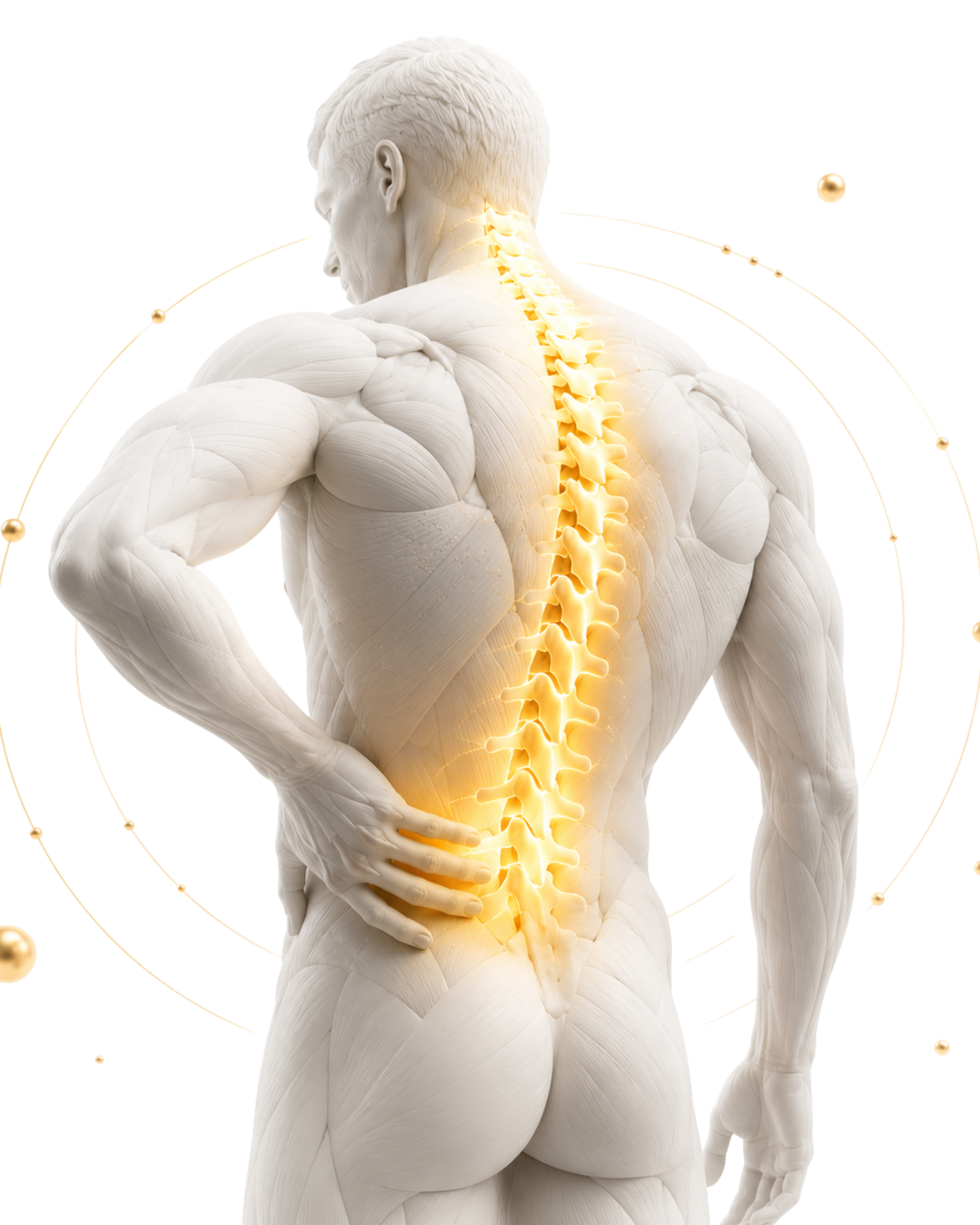
Persistent pain is pain that continues beyond the expected period of tissue healing, usually lasting longer than three months. Although the pain is real, it is not always a sign of ongoing tissue damage. With the right education, exercise, and rehabilitation, many people can reduce pain, improve function, and return to meaningful activities.
QUICK OVERVIEW
Persistent Pain at a Glance
COMMON SIGNS & SYMPTOMS
Is This What You're Experiencing?
Pain Lasting More Than Three Months
Pain continues long after the expected healing time.
Pain That Comes and Goes
Symptoms may fluctuate, with better and worse days.
Increased Sensitivity
Light touch, movement, or pressure may feel more painful than expected.
Fatigue
Persistent pain is often associated with reduced energy levels.
Poor Sleep
Difficulty falling asleep or staying asleep is common.
Stiffness
Movement may feel difficult, especially after periods of inactivity.
Reduced Confidence in Movement
Many people become fearful of certain movements because they worry they are causing harm.
Difficulty with Daily Activities
Work, exercise, hobbies, and social activities may become more challenging.
UNDERSTANDING PERSISTENT PAIN
Why Does Persistent Pain Happen?
The Nervous System Becomes More Sensitive
After an injury or illness, the nervous system can remain highly sensitive even after tissues have largely healed. This is known as pain sensitisation.
Previous Injury or Surgery
Some people continue to experience pain even after the original injury has healed.
Long-Term Musculoskeletal Conditions
Conditions such as osteoarthritis, chronic low back pain, or fibromyalgia may contribute to persistent pain.
Stress and Emotional Well-Being
Stress, anxiety, and low mood do not cause pain on their own but can influence how pain is experienced.
Poor Sleep
Poor sleep can increase pain sensitivity and reduce the body's ability to cope with pain.
Reduced Physical Activity
Avoiding movement due to pain can lead to muscle weakness, reduced fitness, and increased disability.
RISK FACTORS
Who Is Most at Risk?
People with Previous Injuries
Especially if pain persists beyond normal healing.
Individuals After Surgery
Some people continue to experience pain despite successful surgery.
People with Osteoarthritis
Long-term joint conditions can contribute to persistent pain.
Individuals with Chronic Low Back or Neck Pain
Persistent spinal pain is common.
People with Fibromyalgia or Other Chronic Pain Conditions
These conditions involve altered pain processing.
Individuals Experiencing Poor Sleep or High Stress
These factors may influence pain severity and recovery.
DIAGNOSIS
How Is It Diagnosed?
Comprehensive Assessment
Medical History
- Duration of pain
- Previous injuries
- Medical conditions
- Sleep
- Physical activity
- Work
- Daily activities
- Personal goals
Physical Examination
- Joint movement
- Muscle strength
- Balance
- Walking
- Functional activities
- Sensitivity to movement
- General physical capacity
Screening & Imaging
Screening
- Contributing lifestyle factors
- Fear of movement
- Activity avoidance
- Sleep disturbances
Imaging
Imaging is not routinely required unless another condition is suspected. Many people with persistent pain have normal imaging, while others have age-related findings that do not explain the severity of symptoms.
SEEKING HELP
When Should You Get Help?
Self-Management
Appropriate if:
- Symptoms are mild
- You remain active
- Pain is gradually improving
Book a Physiotherapy Assessment
Recommended if:
- Pain lasts longer than three months
- Pain affects work or daily life
- You have stopped exercising because of pain
- Sleep is affected
- You want to return to activities safely
Seek Immediate Medical Assessment
Seek urgent medical attention if persistent pain is accompanied by:
- Unexplained weight loss
- Fever
- Night sweats
- Progressive muscle weakness
- Loss of bladder or bowel control
- Saddle numbness
- History of cancer with new unexplained pain
- Recent significant trauma
TREATMENT OPTIONS
Treatment Options
Education
Understanding how persistent pain works helps reduce fear and supports confident movement.
Exercise Therapy
Regular, progressive exercise is one of the most effective treatments for persistent musculoskeletal pain.
Graded Activity
Activities are gradually increased according to your current ability, rather than waiting for pain to disappear completely.
Lifestyle Optimisation
Improving sleep, stress management, nutrition, and physical activity supports recovery.
Psychological Support
For some individuals, approaches such as CBT or ACT may be helpful as part of multidisciplinary care.
Medication
Medication may help some people manage symptoms, but it is generally only one part of a comprehensive treatment plan.
Multidisciplinary Care
Some individuals benefit from coordinated care involving physiotherapists, doctors, psychologists, and other healthcare professionals.
PHYSIOTHERAPY
How Physiotherapy Helps
Physiotherapy helps you gradually rebuild movement, confidence, strength, and function while reducing the impact of pain on everyday life.
Treatment may include:
- Pain neuroscience education
- Individualised exercise programmes
- Graded exposure to movement
- Strength training
- Aerobic exercise
- Mobility exercises
- Functional rehabilitation
- Pacing strategies
- Goal setting
- Long-term self-management
RECOVERY JOURNEY
Recovery Timeline
EXERCISE LIBRARY
Recommended Exercises
Walking Programme
EasyTarget: Cardiovascular fitness and confidence in movement
Duration: Begin with a comfortable duration and increase gradually.
Sit-to-Stand
EasyTarget: Functional lower-limb strength
Repetitions: 10–15 × 2–3 sets
Bridge Exercise
ModerateTarget: Gluteal and core strength
Repetitions: 10–15 × 2 sets
Resistance Band Row
ModerateTarget: Upper back strength
Repetitions: 10–15 × 2–3 sets
Balance Training
ModerateTarget: Stability and confidence
Hold: 20–30 seconds × 3 repetitions
Relaxed Diaphragmatic Breathing
EasyTarget: Relaxation and breathing control
Duration: 5–10 minutes
LIVING WELL
Living Well with Persistent Pain
Stay Active
Regular movement helps maintain strength, fitness, and confidence.
Improve Sleep Habits
Consistent sleep routines support pain management and recovery.
Pace Your Activities
Balance activity and rest to avoid large fluctuations in symptoms.
Build Strength Gradually
Progressive resistance training improves function and resilience.
Manage Stress
Relaxation, mindfulness, or other stress-management strategies may help some people cope with persistent pain.
Focus on Function
Aim to improve what you can do, not just how much pain you feel.
EXPLORE MORE
Related Conditions
Chronic Low Back Pain
Chronic Neck Pain
Osteoarthritis
Fibromyalgia
Sciatica
Cervical Spondylosis
Lumbar Spondylosis
Myofascial Pain Syndrome
TMJ Disorders
Post-Surgical Rehabilitation
LEARN MORE
Related Resources
Take Back Control of Your Life
Persistent pain doesn't have to define your future. Whether your pain began after an injury, surgery, arthritis, or has developed gradually over time, a physiotherapy assessment can help identify the factors contributing to your symptoms and create a personalised rehabilitation plan focused on improving movement, strength, confidence, and quality of life.
Book Your Persistent Pain Assessment TodaySuccess is measured by improved function, confidence, and quality of life — not just pain reduction.