
Ligament Injuries
Twisted a joint or suffered a sports injury? Learn what ligament injuries are, how they heal, and how physiotherapy helps you return safely to everyday activities and sport.
Ligaments are strong bands of connective tissue that connect one bone to another and help stabilize joints. Most ligament injuries recover successfully with appropriate rehabilitation.
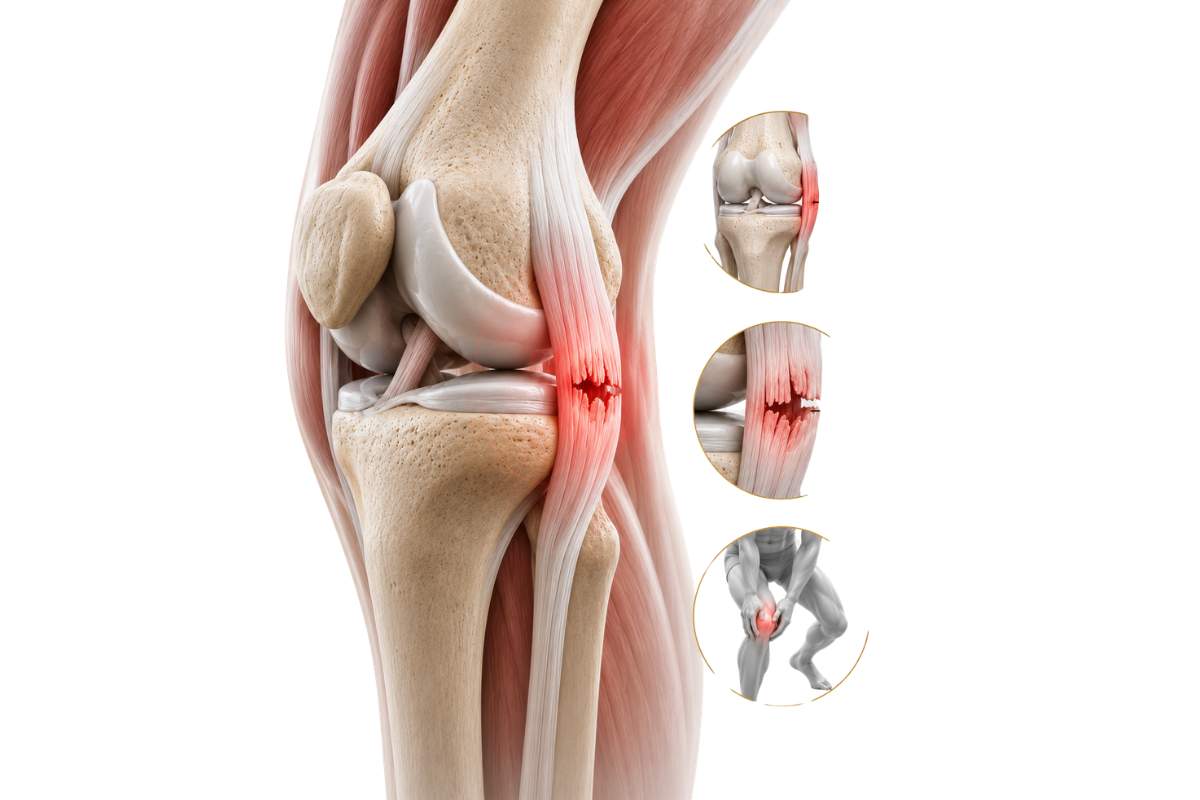
QUICK OVERVIEW
Ligament Injuries at a Glance
COMMON SIGNS & SYMPTOMS
Is This What You're Feeling?
Joint Pain
Pain occurs immediately or shortly after the injury.
Swelling
Swelling often develops within hours of the injury.
Bruising
Bruising may appear over the next few days.
Joint Instability
The joint may feel loose or give way during movement.
Reduced Range of Motion
Pain and swelling can make movement difficult.
Difficulty Bearing Weight
Common with injuries affecting the knee or ankle.
Weakness
The surrounding muscles often become weaker after injury.
Difficulty Returning to Sport
Running, jumping, and rapid changes of direction may remain difficult until rehabilitation is complete.
COMMON CAUSES
Why Do Ligament Injuries Happen?
Twisting Injuries
A sudden change in direction while the foot or hand is fixed.
Sports Injuries
Football, basketball, volleyball, rugby, skiing, badminton, and many other sports involve rapid movements that increase ligament stress.
Falls
Landing awkwardly can overstretch ligaments.
Direct Contact
A blow to a joint may force it beyond its normal range.
Hyperextension
Excessive straightening of a joint can damage ligaments.
Recurrent Instability
Previous ligament injuries increase the risk of future sprains if rehabilitation is incomplete.
RISK FACTORS
Who Is Most at Risk?
Athletes
Especially those involved in cutting, pivoting, jumping, or contact sports.
Active Adults
Recreational sports and fitness activities.
Individuals with Previous Ligament Injuries
Previous injury is one of the strongest predictors of recurrence.
People with Poor Balance
Reduced proprioception increases injury risk.
Manual Workers
Jobs involving climbing, carrying, or uneven terrain.
Older Adults
Falls can result in ligament injuries due to reduced balance and slower reaction times.
DIAGNOSIS
How Are Ligament Injuries Diagnosed?
Clinical Assessment
Medical History
- How the injury happened
- Pain location
- Swelling
- Instability
- Ability to use the joint
- Previous injuries
- Activity goals
Physical Examination
- Swelling
- Tenderness
- Joint movement
- Muscle strength
- Functional tasks
- Balance
- Walking (for lower-limb injuries)
Special Tests & Imaging
Special Tests
Special tests vary depending on the joint involved. Examples include:
- Lachman Test – ACL
- Valgus Stress Test – MCL
- Posterior Drawer Test – PCL
- Anterior Drawer Test – Ankle
- Thumb UCL Stress Test – Thumb
Imaging
X-ray (to rule out fractures), Ultrasound (selected superficial ligaments), or MRI (to assess ligament tears and associated injuries).
SEEKING HELP
When Should You Get Help?
Self-Management
Appropriate if:
- Mild pain
- Minimal swelling
- Joint remains stable
- Symptoms improve steadily
Book a Physiotherapy Assessment
Recommended if:
- Persistent pain
- Swelling continues
- Joint feels unstable
- Difficulty walking or using the joint
- Returning to sport
- Recurrent sprains
Seek Immediate Medical Attention
Seek urgent medical assessment if you experience:
- Obvious deformity
- Inability to bear weight after injury
- Suspected fracture or dislocation
- Loss of circulation
- Significant numbness
- Severe trauma
TREATMENT OPTIONS
Treatment Options
Education
Understanding the severity of the injury and expected recovery supports better outcomes.
Protection
Some injuries benefit from temporary bracing, taping, or modified activity while healing begins.
Progressive Exercise
Exercise therapy is the foundation of rehabilitation and should progress from mobility to strength, balance, and functional activities.
Manual Therapy
Selected individuals may benefit from manual therapy to improve movement and reduce pain when combined with exercise.
Medication
Pain-relieving medication may be appropriate under medical supervision.
Surgery
Surgery may be recommended for complete ligament ruptures in selected joints, persistent instability, combined ligament injuries, or high-demand athletes.
PHYSIOTHERAPY
How Physiotherapy Helps
Physiotherapy focuses on restoring pain-free movement, joint mobility, muscle strength, balance, functional movement, sport-specific performance, confidence, and long-term injury prevention.
Every rehabilitation programme is tailored to the injured ligament, severity, and your goals.
RECOVERY JOURNEY
Recovery Timeline
REHABILITATION
General Rehabilitation Exercises
Note: Exercises vary according to the injured joint and should be individualized.
Range-of-Motion Exercises
Restore comfortable movement.
Isometric Strengthening
Maintain muscle activation during early healing.
Progressive Resistance Training
Rebuild muscle strength.
Balance Training
Restore proprioception and joint stability.
Functional Movement Training
Prepare for everyday activities.
Sport-Specific Rehabilitation
Return safely to higher-level activities.
PREVENTION
Prevention Tips
Warm Up Properly
Prepare your muscles and joints before activity.
Strength Training
Strong muscles help protect ligaments.
Balance Training
Improves joint stability and reduces injury risk.
Progress Training Gradually
Avoid sudden increases in training load.
Wear Appropriate Footwear and Protective Equipment
Use sport- and activity-specific equipment where appropriate.
Complete Rehabilitation
One of the most effective ways to reduce the risk of future ligament injuries.
EXPLORE BY JOINT
Common Ligament Injuries
LEARN MORE
Related Resources
Recover Stronger After a Ligament Injury
Whether you've injured your knee, ankle, wrist, shoulder, or another joint, early assessment and structured rehabilitation can improve recovery and reduce the risk of future injuries. Our physiotherapists will identify the injured structure, explain your diagnosis, and create a personalised rehabilitation programme to help you regain strength, stability, and confidence.
Book Your Physiotherapy Assessment Today