
Muscle Strain
Sudden muscle pain after exercise, lifting, or sport? Learn what a muscle strain is, how it heals, and how physiotherapy can help you recover safely and return to activity.
A muscle strain occurs when muscle fibers or the musculotendinous junction are overstretched or torn. Most muscle strains recover well with progressive rehabilitation.
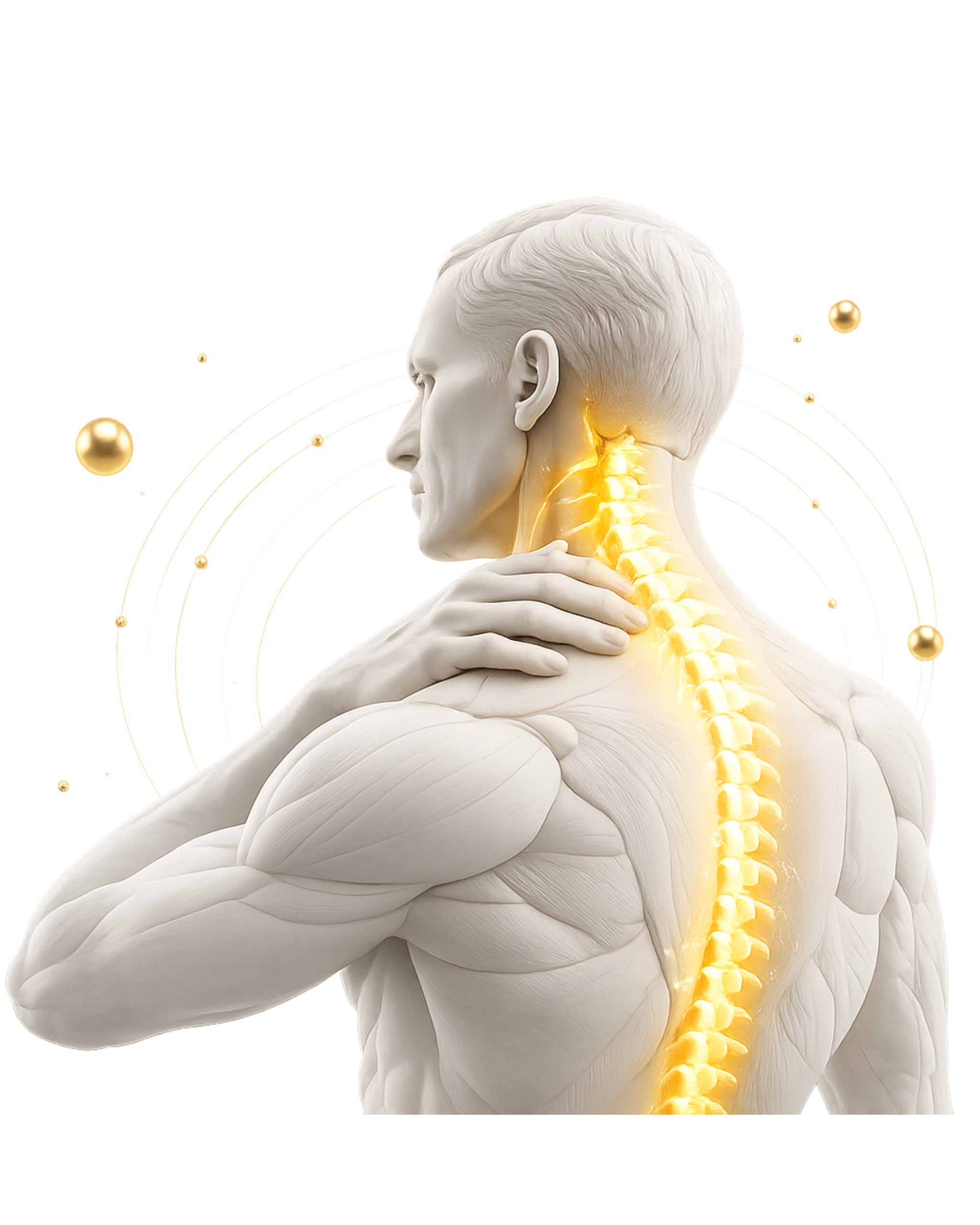
QUICK OVERVIEW
Muscle Strain at a Glance
COMMON SIGNS & SYMPTOMS
Is This What You're Feeling?
Sudden Sharp Pain
Many people describe a sudden "pull" or sharp pain during activity.
Muscle Tenderness
The injured area is painful to touch.
Swelling
Swelling may develop within hours after the injury.
Bruising
Bruising may appear over the next few days, especially in moderate or severe strains.
Weakness
The muscle may feel weak during movement or loading.
Difficulty Moving
Stretching or contracting the injured muscle may be painful.
Muscle Tightness
Protective muscle spasm and stiffness are common.
Reduced Sports Performance
Running, jumping, lifting, or throwing may become difficult.
COMMON CAUSES
Why Does It Happen?
Sudden Sprinting
Rapid acceleration is a common cause of hamstring and calf strains.
Heavy Lifting
Excessive load can strain muscles, particularly in the back and shoulders.
Overstretching
Stretching a muscle beyond its capacity may cause tearing.
Muscle Fatigue
Fatigued muscles have a reduced ability to absorb force.
Poor Conditioning
Insufficient strength or flexibility may increase injury risk.
Inadequate Warm-Up
Cold muscles may be more susceptible to injury during explosive movements.
RISK FACTORS
Who Is Most at Risk?
Athletes
Football, cricket, athletics, tennis, basketball, rugby, and hockey.
Gym Enthusiasts
Heavy resistance training or poor lifting technique.
Manual Workers
Repetitive lifting and physically demanding tasks.
Older Adults
Age-related changes in muscle quality may increase injury risk.
People Returning to Exercise
Sudden increases in activity after inactivity.
Individuals with Previous Muscle Strains
Previous injury is a strong risk factor for recurrence.
DIAGNOSIS
How Is It Diagnosed?
Clinical Assessment
Medical History
- How the injury occurred
- Location of pain
- Ability to continue activity
- Swelling or bruising
- Previous injuries
- Training habits
Physical Examination
- Inspection for swelling or bruising
- Palpation of the injured muscle
- Range of motion
- Strength testing
- Functional movements
- Walking or running assessment when appropriate
Special Tests & Imaging
Special Tests
Assessment focuses on pain during contraction, pain during stretching, strength deficits, and functional performance.
Imaging
Ultrasound or MRI may be recommended when a significant tear is suspected, the diagnosis is unclear, or for elite athletic return-to-play decisions. Routine imaging is not required for most mild muscle strains.
SEEKING HELP
When Should You Get Help?
Self-Management
Usually appropriate if:
- Mild discomfort
- Able to walk normally
- Symptoms improve over several days
- Minimal swelling
Book a Physiotherapy Assessment
Recommended if:
- Significant pain
- Bruising develops
- Difficulty walking or using the limb
- Symptoms persist beyond one week
- Returning to sport
- Recurrent muscle strains
Seek Immediate Medical Attention
Seek urgent medical assessment if you experience:
- Sudden severe pain with an audible "pop"
- Visible deformity
- Complete loss of muscle function
- Large rapidly developing swelling
- Suspected complete muscle rupture
- Severe trauma
TREATMENT OPTIONS
Treatment Options
Education
Understanding muscle healing and avoiding premature return to activity improves outcomes.
PEACE & LOVE Approach
Early management emphasizes Protection, Elevation, Compression, and Education, followed by Progressive loading, Aerobic activity, and Exercise rehabilitation.
Exercise Therapy
Progressive loading is the foundation of muscle strain rehabilitation.
Manual Therapy
May be used to improve movement and reduce pain when appropriate, alongside exercise.
Medication
Pain-relieving medication may be appropriate under medical supervision.
Surgery
Rarely required but may be considered for complete muscle ruptures or tendon avulsions in selected individuals.
PHYSIOTHERAPY
How Physiotherapy Helps
Physiotherapy aims to restore pain-free movement, muscle strength, flexibility, endurance, coordination, running mechanics, sport-specific performance, and confidence.
Treatment may include progressive strengthening, mobility work, neuromuscular training, and return-to-sport rehabilitation.
RECOVERY JOURNEY
Recovery Timeline
Progression should be based on strength, function, and symptom response rather than time alone.
REHABILITATION EXERCISES
Recommended Exercises
Pain-Free Range-of-Motion Exercises
EasyPurpose: Maintain mobility without overstressing healing tissue.
Isometric Muscle Contractions
EasyPurpose: Early muscle activation while minimizing strain.
Bridge Exercise
ModerateTarget: Posterior chain and gluteal strength.
Heel Raises
ModerateTarget: Calf strengthening (for calf strains).
Nordic Hamstring Exercise (Late Stage)
AdvancedTarget: Hamstring strength and injury prevention.
Single-Leg Squat
AdvancedTarget: Functional lower-limb control.
Rehabilitation should progress from pain-free movement to strengthening, then power, agility, and sport-specific tasks. Returning to full activity too early increases the risk of reinjury.
PREVENTION
Prevention Tips
Warm Up Before Activity
A structured warm-up prepares muscles for exercise.
Strength Train Regularly
Progressive resistance training improves muscle capacity.
Increase Training Gradually
Avoid sudden spikes in training volume or intensity.
Manage Fatigue
Adequate recovery helps reduce injury risk.
Maintain Good Technique
Proper lifting and sporting technique reduce unnecessary strain.
Complete Rehabilitation
Previous muscle strain is one of the strongest predictors of future injury.
RELATED CONDITIONS
Related Conditions
Hamstring Strain
Calf Muscle Strain
Groin Strain
Quadriceps Strain
Rotator Cuff Injury
Achilles Tendinopathy
Muscle Cramps
Persistent Pain
Sports Injuries
Post-Surgical Rehabilitation
LEARN MORE
Related Resources
PEACE & LOVE for Muscle Injuries
📄Hamstring Injury Rehabilitation
📄Best Exercises for Muscle Strains
📄When Can I Return to Sport?
📄Strength Training to Prevent Muscle Injuries
📄Delayed Onset Muscle Soreness (DOMS) vs. Muscle Strain
📄Nutrition for Muscle Recovery
📄Warm-Up Strategies That Reduce Injury Risk
Recover Stronger and Reduce the Risk of Reinjury
Whether you've strained a hamstring, calf, groin, back, or shoulder muscle, the right rehabilitation programme can help you recover safely and regain confidence. Our physiotherapists provide evidence-based treatment tailored to your injury, activity level, and goals—helping you return to work, sport, and everyday life with reduced risk of recurrence.
Book Your Physiotherapy Assessment Today