
ACL Injury Rehabilitation
Recovering from an ACL tear or ACL reconstruction? Learn what to expect at every stage of rehabilitation and how physiotherapy helps you safely return to sport and everyday life.
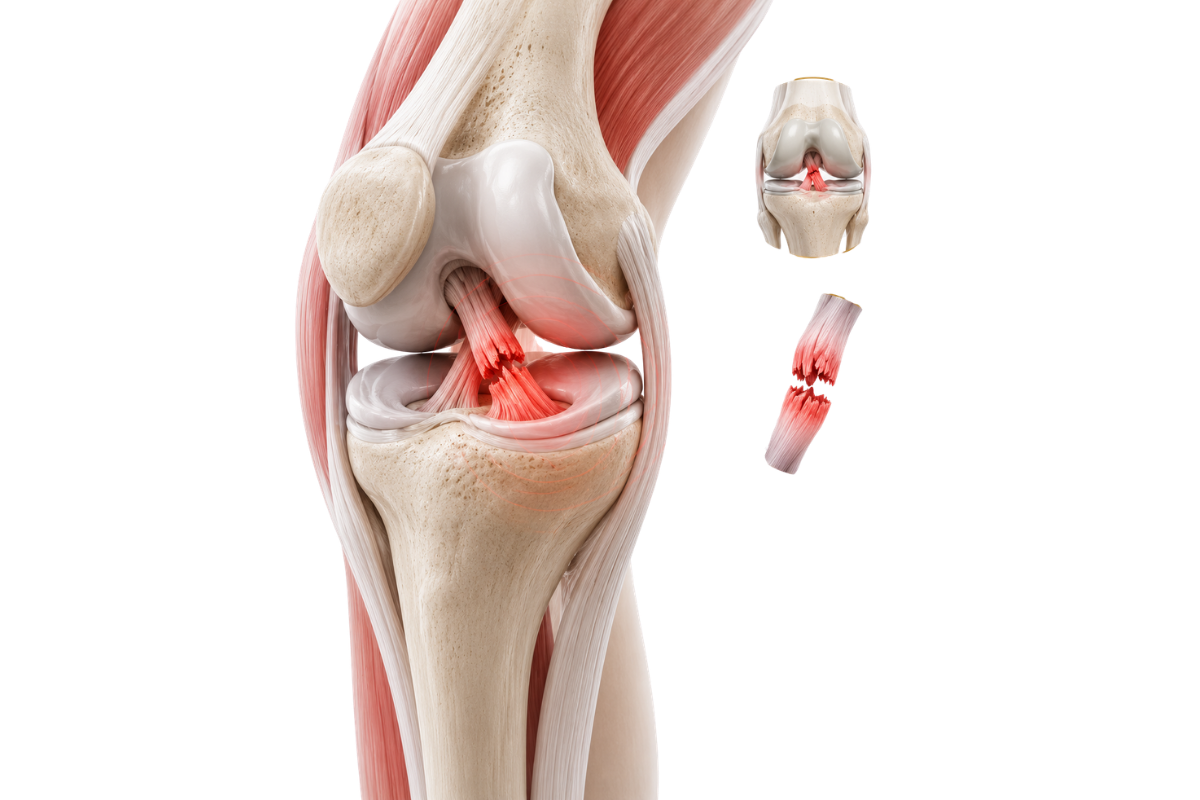
An ACL injury affects the stability of the knee and often occurs during sports involving cutting, pivoting, or landing. A structured rehabilitation programme is essential for restoring strength, confidence, and safe return to activity.
QUICK OVERVIEW
ACL Rehabilitation at a Glance
COMMON SIGNS AFTER AN ACL INJURY
Is This What You're Experiencing?
Knee Giving Way
A feeling that the knee is unstable or may buckle during walking, turning, or sport.
Swelling
Rapid swelling within a few hours after injury is common.
Pain
Pain varies depending on associated injuries such as meniscal tears or bone bruising.
Reduced Knee Movement
Difficulty fully bending or straightening the knee.
Muscle Weakness
Quadriceps weakness develops quickly after injury or surgery.
Difficulty Walking
Walking may feel unstable, especially during the early stages.
Reduced Confidence
Many people feel anxious about loading the injured leg or returning to sport.
Difficulty Returning to Sport
Cutting, jumping, sprinting, and pivoting often remain challenging until later stages.
COMMON INJURY MECHANISMS
Why Does an ACL Injury Happen?
Sudden Pivoting
Rapid changes in direction while the foot remains planted.
Awkward Landing
Landing from a jump with poor knee control.
Cutting Movements
Sports requiring quick directional changes increase ACL loading.
Contact Injury
A direct blow to the knee may rupture the ACL.
Non-Contact Injury
Approximately 70% of ACL injuries occur without direct contact, often during deceleration or landing.
Associated Injuries
ACL tears commonly occur alongside meniscus tears, bone bruising, MCL injuries, and cartilage injuries.
RISK FACTORS
Who Is Most at Risk?
Football Players
Basketball Players
Volleyball Players
Skiers
Rugby and Cricket Athletes
Female Athletes
Female athletes have a higher risk in several pivoting sports due to multiple interacting factors.
Athletes Returning Too Early
Returning before meeting objective rehabilitation criteria significantly increases reinjury risk.
DIAGNOSIS
How Is It Diagnosed?
Clinical Assessment
Medical History
- Injury mechanism
- Audible "pop"
- Swelling
- Instability
- Sporting demands
- Previous knee injuries
Physical Examination
- Knee swelling
- Range of motion
- Quadriceps activation
- Walking pattern
- Functional movement
Special Tests & Imaging
Special Tests
- Lachman Test (most sensitive clinical test)
- Anterior Drawer Test
- Pivot Shift Test
- Meniscus assessment
- Collateral ligament assessment
Diagnosis is based on the combination of history, examination, and imaging.
Imaging
MRI is commonly used to confirm an ACL tear, identify meniscal injuries, assess cartilage damage, and guide treatment planning. X-rays may be performed to exclude fractures.
SEEKING HELP
When Should You Get Help?
Begin Early Rehabilitation
Early physiotherapy is recommended after medical assessment to reduce swelling, restore movement, and maintain muscle strength.
Book an ACL Physiotherapy Assessment
Recommended if:
- Your knee feels unstable
- Swelling persists
- Walking remains difficult
- You wish to return to sport
- You are preparing for or recovering from ACL surgery
Seek Urgent Medical Assessment
Seek urgent care if you experience:
- Severe deformity after injury
- Loss of circulation
- Inability to move the foot
- Suspected fracture
- Severe calf swelling or chest pain after surgery
- Fever or wound drainage after ACL reconstruction
TREATMENT OPTIONS
Treatment Options
Non-Surgical Rehabilitation
Some individuals can successfully return to activity with structured rehabilitation alone, depending on knee stability and goals.
ACL Reconstruction Surgery
Often recommended for individuals in pivoting sports or with recurrent instability. Surgery reconstructs the ligament but does not replace rehabilitation.
Prehabilitation
Strengthening and restoring knee movement before surgery can improve postoperative outcomes.
Exercise Therapy
Progressive strengthening, neuromuscular training, balance, agility, and sport-specific rehabilitation are the foundation of ACL recovery.
Bracing
Routine long-term bracing after ACL reconstruction is not recommended for most individuals.
Return-to-Sport Testing
Objective testing is essential before returning to pivoting sports and should include strength, hop performance, movement quality, and psychological readiness.
PHYSIOTHERAPY
How Physiotherapy Helps
Physiotherapy guides you through every phase of recovery with a structured, criteria-based approach.
Treatment may include:
- Swelling control
- Restoring full knee extension
- Regaining knee flexion
- Quadriceps activation
- Progressive strengthening
- Balance and proprioception training
- Running progression
- Plyometrics and agility training
- Sport-specific drills
- Return-to-sport testing
- Injury prevention programmes
RECOVERY JOURNEY
Recovery Timeline
Recovery should be based on functional milestones rather than time alone.
EXERCISE LIBRARY
Recommended Exercises
Quadriceps Sets
EasyTarget: Quadriceps activation
Repetitions: 10–15 holds
Heel Slides
EasyTarget: Knee flexion mobility
Repetitions: 10–15
Straight Leg Raise
EasyTarget: Quadriceps
Repetitions: 10–15 × 2 sets
Mini Squats
ModerateTarget: Functional lower-limb strength
Repetitions: 10–15 × 3 sets
Single-Leg Balance
ModerateTarget: Knee stability and proprioception
Hold: 30 seconds × 3 repetitions
Single-Leg Romanian Deadlift
AdvancedTarget: Hamstrings, gluteals, balance, and movement control
Repetitions: 8–12 × 3 sets
LONG-TERM HEALTH
Prevention Tips
Complete Your Rehabilitation
Do not return to sport based solely on time since injury or surgery.
Strengthen the Entire Lower Limb
Include quadriceps, hamstrings, gluteals, and calf muscles.
Improve Landing Technique
Practice controlled jumping and landing mechanics.
Follow Neuromuscular Training Programmes
Structured injury prevention programmes (such as FIFA 11+) can significantly reduce ACL injury risk.
Progress Gradually
Increase training intensity and sport participation progressively.
Meet Objective Return-to-Sport Criteria
Return only after demonstrating adequate strength, function, movement quality, and confidence.
EXPLORE MORE
Related Conditions
ACL Injury
Meniscus Injury
MCL Injury
PCL Injury
Knee Pain
Patellofemoral Pain Syndrome
Knee Osteoarthritis
Quadriceps Tendinopathy
Patellar Tendinopathy
Cartilage Injury
LEARN MORE
Related Resources
Build a Stronger, More Confident Knee
Whether you're recovering from an ACL tear, preparing for reconstruction, or returning after surgery, a structured rehabilitation programme is essential for achieving the best possible outcome. A physiotherapy assessment will help identify your current stage of recovery and guide you through a personalised, criteria-based rehabilitation plan.
Book Your ACL Rehabilitation Assessment TodayCriteria-based rehabilitation leads to safer return to sport and lower reinjury risk.