
Lumbar Disc Herniation
Sharp lower back pain or pain shooting down your leg? Learn what a herniated disc is, how it's diagnosed, and how physiotherapy can help you recover safely.
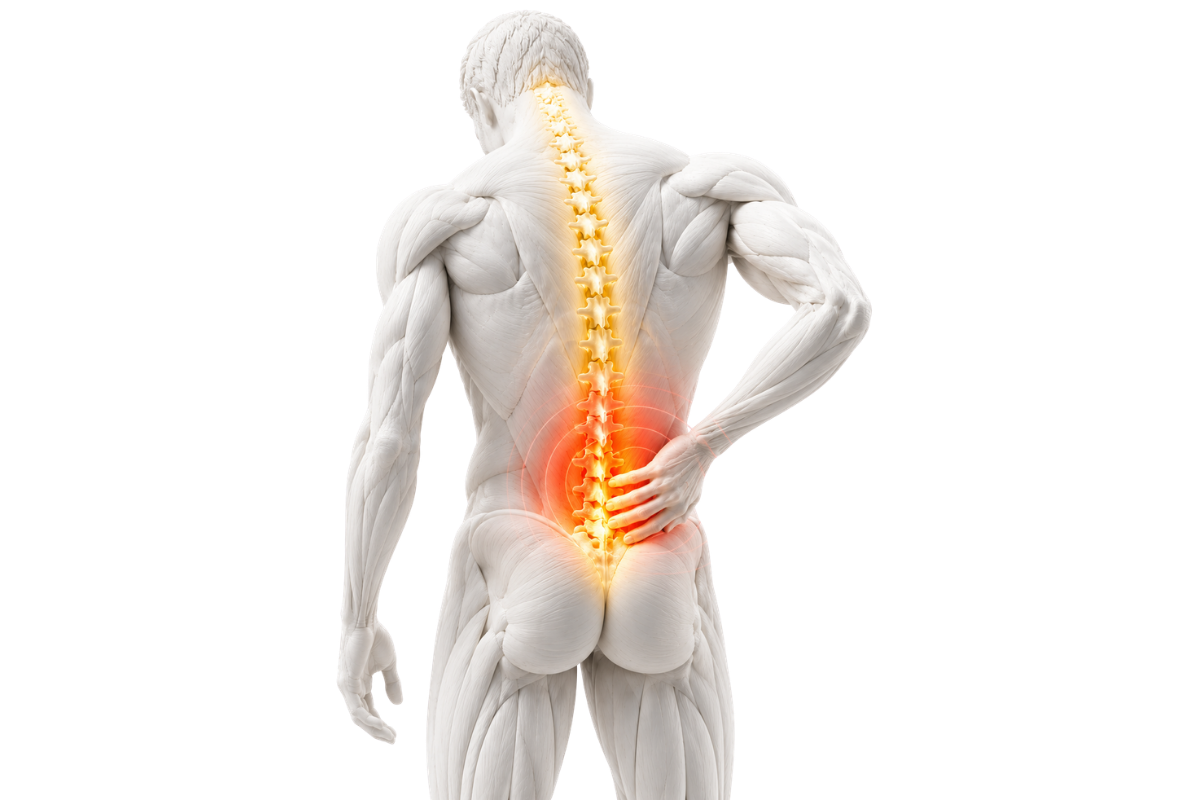
A lumbar disc herniation occurs when the soft inner material of an intervertebral disc pushes through a tear in its outer layer. If the herniated disc irritates or compresses a nearby nerve root, it may cause lower back pain, sciatica, numbness, tingling, or muscle weakness. Most people improve with conservative treatment and do not require surgery.
QUICK OVERVIEW
Lumbar Disc Herniation at a Glance
COMMON SIGNS & SYMPTOMS
Is This What You're Feeling?
Lower Back Pain
Pain may begin suddenly or gradually and is often worse with bending or sitting.
Sciatica
Pain travelling down one leg, often below the knee.
Tingling
Pins and needles in the leg or foot.
Numbness
Reduced sensation in areas supplied by the affected nerve.
Muscle Weakness
Difficulty lifting the foot, standing on the toes, or climbing stairs depending on the nerve involved.
Pain While Sitting
Long periods of sitting commonly aggravate symptoms.
Pain During Coughing or Sneezing
Increased pressure within the spine may temporarily increase leg pain.
Difficulty Walking
Walking may become uncomfortable if nerve irritation is significant.
COMMON CAUSES
Why Does It Happen?
Disc Degeneration
With age, discs lose water content and become more vulnerable to tears.
Heavy Lifting
Repeated lifting, particularly with poor technique, may contribute to disc injury.
Repetitive Bending and Twisting
Frequent spinal loading can increase stress on the disc.
Sudden Injury
Falls or lifting a heavy object awkwardly may trigger symptoms.
Genetics
Inherited factors influence disc health and susceptibility to herniation.
Smoking
Smoking is associated with poorer disc nutrition and slower healing.
RISK FACTORS
Who Is Most at Risk?
Adults Aged 30–50 Years
Peak age for symptomatic lumbar disc herniation.
Manual Workers
Frequent lifting, bending, and twisting.
Office Workers
Prolonged sitting may aggravate symptoms.
Drivers
Extended sitting and vibration exposure.
Smokers
Associated with increased risk of disc degeneration.
Individuals with Previous Disc Problems
Previous episodes increase the risk of recurrence.
DIAGNOSIS
How Is It Diagnosed?
Clinical Assessment
Medical History
- Back and leg pain
- Pain distribution
- Numbness
- Weakness
- Changes in bladder or bowel function
- Previous episodes
- Occupation
- Activity level
Physical Examination
- Lumbar movement
- Neurological examination
- Muscle strength
- Sensation
- Reflexes
- Walking pattern
- Functional tasks
Special Tests & Imaging
Special Tests
- Straight Leg Raise (SLR)
- Crossed Straight Leg Raise
- Slump Test
- Neurological screening
- Repeated movement assessment (when appropriate)
No single test confirms a herniated disc. Diagnosis is based on your history, examination findings, and imaging when clinically indicated.
Imaging
MRI is the preferred imaging investigation when severe or progressive neurological deficits are present, surgery is being considered, symptoms persist despite appropriate conservative management, or serious pathology is suspected. Routine MRI is not recommended for uncomplicated low back pain.
SEEKING HELP
When Should You Get Help?
Self-Management
Usually appropriate if:
- Mild back pain
- Improving symptoms
- No significant weakness
- Normal bladder and bowel function
Book a Physiotherapy Assessment
Recommended if:
- Leg pain lasts longer than one to two weeks
- Symptoms limit work or daily activities
- Tingling or numbness develops
- Walking becomes difficult
- Pain is affecting sleep or quality of life
Seek Immediate Medical Attention
Seek emergency medical assessment if you experience:
- Loss of bladder or bowel control
- Saddle numbness
- Progressive leg weakness
- Sudden foot drop
- Severe pain after significant trauma
- Fever with severe back pain
TREATMENT OPTIONS
Treatment Options
Education
Understanding the condition and remaining appropriately active are key components of recovery.
Exercise Therapy
Progressive exercises focusing on mobility, strength, walking, and functional movement are recommended.
Activity Modification
Temporary modification of painful activities is preferable to prolonged bed rest.
Manual Therapy
Manual therapy may provide short-term symptom relief for selected individuals when combined with exercise.
Medication
Pain-relieving medication may be prescribed by your healthcare provider to help manage symptoms during the early stages.
Epidural Steroid Injection
May be considered for selected individuals with significant radicular pain who do not respond adequately to conservative treatment.
Surgery
Lumbar microdiscectomy or other surgical procedures may be appropriate when significant neurological deficits are present, symptoms remain disabling despite appropriate conservative management, or cauda equina syndrome occurs (emergency surgery). Most people recover without surgery.
PHYSIOTHERAPY
How Physiotherapy Helps
Physiotherapy aims to reduce pain, improve movement, restore strength, and help you return to work, exercise, and daily activities.
Treatment may include:
- Education and reassurance
- Individualised exercise programme
- Walking progression
- Core strengthening
- Hip strengthening
- Neural mobility exercises (when appropriate)
- Manual therapy when indicated
- Ergonomic advice
- Return-to-work guidance
- Long-term prevention strategies
RECOVERY JOURNEY
Recovery Timeline
EXERCISE LIBRARY
Recommended Exercises
Walking Programme
EasyTarget: General mobility and recovery
Duration: Start with a comfortable distance and gradually increase.
Prone Press-Up (When Clinically Appropriate)
EasyTarget: Lumbar extension mobility
Repetitions: 10 repetitions
Pelvic Tilt
EasyTarget: Core activation
Repetitions: 10–15
Bird Dog
ModerateTarget: Core stability
Repetitions: 8–12 each side
Bridge Exercise
ModerateTarget: Gluteal and trunk strength
Repetitions: 10–15 × 2–3 sets
Sciatic Nerve Slider (Only When Appropriate)
ModerateTarget: Neural mobility
Repetitions: 10 gentle repetitions
LONG-TERM HEALTH
Prevention Tips
Stay Physically Active
Regular movement supports spinal health and reduces the risk of future episodes.
Strengthen Your Core and Hips
Strong supporting muscles help improve spinal function and resilience.
Lift with Good Technique
Avoid sudden twisting while lifting heavy loads.
Break Up Long Periods of Sitting
Stand, stretch, or walk every 30–60 minutes.
Stop Smoking
Smoking is associated with poorer disc health and slower healing.
Progress Exercise Gradually
Increase physical activity and training loads progressively.
EXPLORE MORE
Related Conditions
Sciatica
Lumbar Disc Bulge
Low Back Pain
Lumbar Spondylosis
Degenerative Disc Disease
Lumbar Spinal Stenosis
Persistent Pain
Post-Surgical Rehabilitation
Cauda Equina Syndrome
Core Stability Dysfunction
LEARN MORE
Related Resources
Recover with Confidence
A herniated disc can be painful, but it doesn't automatically mean surgery is required. If lower back or leg pain is limiting your work, exercise, or everyday life, a physiotherapy assessment can help determine the cause of your symptoms and guide you through an evidence-based rehabilitation programme focused on reducing pain, restoring movement, and helping you return to the activities you enjoy.
Book Your Spine Assessment TodayMost people with lumbar disc herniation recover well with conservative physiotherapy and do not require surgery.