
Knee Pain
Learn what may be causing your knee pain, how physiotherapy can help, and the safest way to return to walking, exercise, work, and sport.
Knee pain can make everyday activities such as walking, climbing stairs, squatting, running, or exercising uncomfortable. Most knee conditions improve with an accurate diagnosis, appropriate exercise, and physiotherapy.
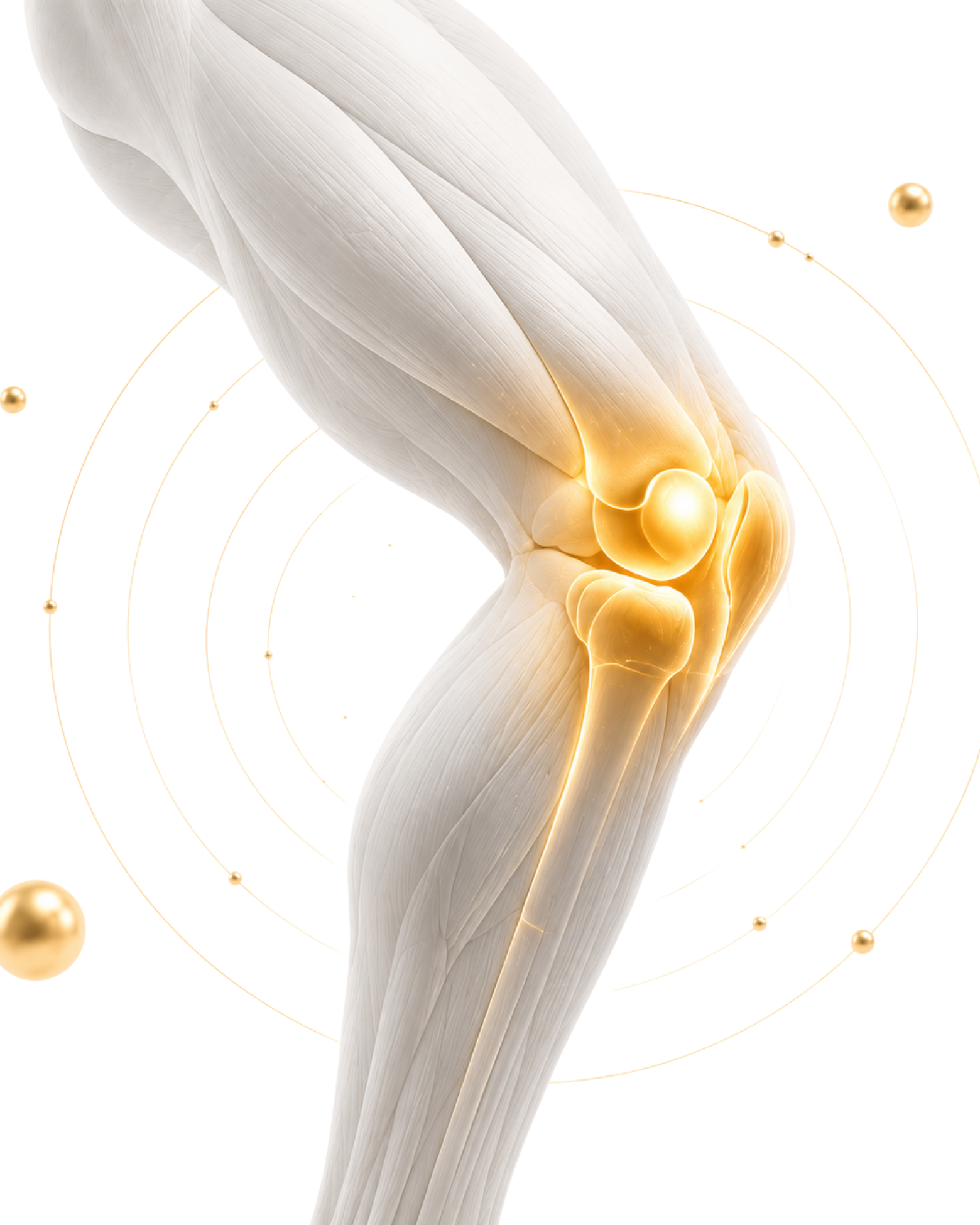
QUICK OVERVIEW
Knee Pain at a Glance
| Information | Details |
|---|---|
| What is it? | Pain, discomfort, or stiffness affecting the knee joint or the surrounding muscles, tendons, ligaments, or cartilage. |
| Common Age Group | Can affect people of all ages. The underlying cause often varies with age and activity level. |
| Typical Recovery Time | Recovery ranges from 2–12 weeks for many common conditions, although ligament injuries, osteoarthritis, or post-surgical rehabilitation may take longer. |
| Common Causes | Overuse, muscle weakness, tendon disorders, ligament injuries, meniscal injuries, osteoarthritis, trauma, and biomechanical factors. |
| Pain Location | Front, back, inside, outside, or around the kneecap depending on the underlying condition. |
| Treatment Success | Most people improve with conservative treatment, including exercise, education, and physiotherapy. Surgery is only indicated for selected conditions. |
COMMON SIGNS & SYMPTOMS
Is This What You're Feeling?
Knee Pain
Pain during walking, standing, running, or daily activities.
Swelling
The knee may feel swollen or appear larger than usual after activity or injury.
Stiffness
Difficulty bending or straightening the knee fully.
Pain on Stairs
Discomfort when climbing or descending stairs.
Clicking or Popping
Some people notice clicking or popping during movement. These sounds are common and are not always associated with injury.
Knee Giving Way
The knee may feel unstable or as though it might buckle during walking or changing direction.
Locking
The knee becomes difficult to fully bend or straighten. True locking should be assessed by a healthcare professional.
Reduced Strength
Difficulty standing from a chair, squatting, or climbing stairs due to weakness or pain.
Pain During Sport
Symptoms may worsen with running, jumping, pivoting, or sudden changes of direction.
COMMON CAUSES
Why Does It Happen?
Knee pain can result from overuse, injury, degeneration, or movement dysfunction.
Patellofemoral Pain Syndrome
Pain around or behind the kneecap, commonly aggravated by stairs, squatting, running, or prolonged sitting.
Knee Osteoarthritis
Age-related changes affecting joint cartilage that may lead to pain, stiffness, and reduced mobility.
Meniscal Injury
Damage to the knee's shock-absorbing cartilage can occur due to twisting injuries or age-related degeneration.
Ligament Injury
Injuries to the ACL, PCL, MCL, or LCL often occur during sports, falls, or sudden changes in direction.
Tendinopathy
Overuse of the patellar or quadriceps tendon can cause pain during jumping, running, or repetitive loading.
Bursitis
Inflammation of one of the knee bursae can lead to localized swelling and tenderness.
Muscle Weakness
Weakness of the quadriceps, hamstrings, gluteal muscles, or calf muscles can alter knee mechanics and contribute to pain.
Trauma
Falls, direct blows, or sporting injuries may damage the bones, cartilage, ligaments, or tendons around the knee.
RISK FACTORS
Who Is Most at Risk?
Runners
Repetitive loading may increase the risk of overuse injuries.
Athletes
Sports involving jumping, pivoting, cutting, or contact increase the risk of knee injuries.
Older Adults
Higher likelihood of osteoarthritis and degenerative meniscal changes.
Office Workers
Reduced physical activity and muscle weakness may contribute to knee discomfort.
Manual Workers
Frequent kneeling, squatting, lifting, or climbing can increase mechanical stress on the knee.
Individuals with Previous Knee Injuries
A history of knee injury increases the risk of future episodes.
People with Higher Body Weight
Increased body weight may contribute to greater loading through the knee during weight-bearing activities.
DIAGNOSIS
How Is It Diagnosed?
Clinical Assessment
Medical History
Your physiotherapist will ask about:
- When the pain started
- Whether there was an injury
- Pain location
- Swelling
- Locking or instability
- Aggravating activities
- Previous knee injuries
- Occupation and sporting activities
Physical Examination
Assessment may include:
- Walking pattern (gait)
- Knee alignment
- Range of motion
- Muscle strength
- Swelling
- Functional tasks such as squatting, stair climbing, and single-leg balance
Special Tests
Depending on your symptoms, your physiotherapist may assess for:
- Ligament injuries (ACL, PCL, MCL, LCL)
- Meniscal injuries
- Patellofemoral disorders
- Tendon disorders
- Joint stability
No single special test is completely accurate. Diagnosis is based on your history, physical examination, and clinical reasoning.
Imaging
Routine imaging is not necessary for many cases of knee pain.
X-rays, ultrasound, or MRI may be recommended when:
- A fracture is suspected
- Significant trauma has occurred
- Ligament or meniscal injury is suspected
- Symptoms persist despite appropriate rehabilitation
- Surgical planning is required
SEEKING HELP
When Should You Get Help?
Self-Management
Usually appropriate if:
- Mild pain
- Improving symptoms
- Able to walk comfortably
- No major swelling or instability
Book a Physiotherapy Assessment
Recommended if:
- Pain lasts longer than one to two weeks
- Swelling continues
- Difficulty climbing stairs
- Pain affecting work or sport
- Recurrent knee pain
- Reduced strength or movement
Seek Immediate Medical Attention
Seek urgent assessment if you experience:
- Inability to bear weight after an injury
- Severe swelling immediately after trauma
- Visible deformity
- Suspected fracture or dislocation
- Fever with a painful, swollen knee
- Rapidly increasing redness, warmth, and swelling
- Progressive numbness or weakness in the leg
- A locked knee that cannot fully bend or straighten
TREATMENT
Treatment Options
Most people with knee pain recover well with conservative care. Here are the main treatment options.
Education
Understanding your diagnosis and staying appropriately active are essential for recovery.
Exercise Therapy
Individualized strengthening, flexibility, balance, and functional exercises are the cornerstone of treatment for most knee conditions.
Manual Therapy
Joint mobilization and soft tissue techniques may be beneficial for selected individuals when combined with exercise.
Activity Modification
Temporarily reducing aggravating activities while maintaining overall physical activity supports recovery.
Medication
Short-term pain-relieving medication may be appropriate under medical supervision.
Injections
Certain conditions, such as knee osteoarthritis, may benefit from injections after specialist evaluation. Injections should complement, not replace, rehabilitation.
Surgery
Surgery is appropriate for selected conditions such as some ligament injuries, displaced meniscal tears, fractures, or advanced osteoarthritis when conservative management is insufficient.
PHYSIOTHERAPY
How Physiotherapy Helps
Physiotherapy aims to reduce pain, restore movement, improve strength, and help you return safely to everyday activities and sport.
Treatment may include:
- Individualized rehabilitation programmes
- Quadriceps strengthening
- Hip and gluteal strengthening
- Balance and proprioception training
- Movement retraining
- Manual therapy when indicated
- Gait retraining
- Return-to-running guidance
- Return-to-sport planning
- Long-term injury prevention strategies
RECOVERY JOURNEY
Recovery Timeline
Week 1–2
Pain management, swelling control (if present), education, and gentle movement.
Week 2–6
Improved mobility, progressive strengthening, and restoration of normal walking and daily activities.
Week 6–12
Advanced strengthening, balance training, and gradual return to recreational exercise or sport.
Beyond 3 Months
Complex injuries or post-surgical rehabilitation may require longer-term strengthening, sport-specific training, and ongoing monitoring.
EXERCISE LIBRARY
Recommended Exercises
These exercises are commonly used in knee rehabilitation. Always follow guidance from your physiotherapist.
Quadriceps Sets
EasyTarget: Quadriceps
Repetitions: 10–15 × 2–3 sets
Precaution: Avoid holding your breath.
Straight Leg Raise
EasyTarget: Quadriceps and hip flexors
Repetitions: 10–15 × 2–3 sets
Heel Slides
EasyTarget: Knee mobility
Repetitions: 10–15
Mini Squats
ModerateTarget: Quadriceps, gluteals, hamstrings
Repetitions: 10–15 × 2–3 sets
Precaution: Keep movements pain-tolerable and maintain good knee alignment.
Step-Ups
ModerateTarget: Quadriceps, gluteals, calf muscles
Repetitions: 8–12 × 2 sets
Single-Leg Balance
ModerateTarget: Balance, proprioception, lower limb stability
Hold: 20–30 seconds
Repeat: 3 times
LONG-TERM HEALTH
Prevention Tips
Simple daily habits can significantly reduce the risk of knee pain returning.
Stay Physically Active
Regular exercise helps maintain joint health, muscle strength, and mobility.
Strengthen Your Lower Limbs
Include quadriceps, hamstrings, gluteals, and calf strengthening in your routine.
Warm Up Before Exercise
Prepare your muscles and joints before running, jumping, or sports.
Progress Training Gradually
Avoid sudden increases in running distance, training intensity, or lifting loads.
Wear Appropriate Footwear
Use well-fitting shoes suited to your activity.
Maintain a Healthy Body Weight
Maintaining a healthy weight may reduce stress on the knee joints during weight-bearing activities.
FREQUENTLY ASKED QUESTIONS
Common Questions
LEARN MORE
Related Resources
Ready to Get Back on Your Feet?
Whether your knee pain is affecting walking, work, sport, or everyday activities, a physiotherapy assessment can help identify the underlying cause and create a personalised rehabilitation plan to reduce pain, improve movement, and restore confidence.
Book Your Physiotherapy Assessment TodayEarly intervention often leads to faster and better outcomes.