
Shoulder Pain
Discover what may be causing your shoulder pain, how physiotherapy can help, and the safest way to restore comfortable movement and strength.
Shoulder pain can make everyday activities such as reaching overhead, lifting, dressing, exercising, or sleeping uncomfortable. Most cases improve with conservative treatment, including education, targeted exercise, and physiotherapy.
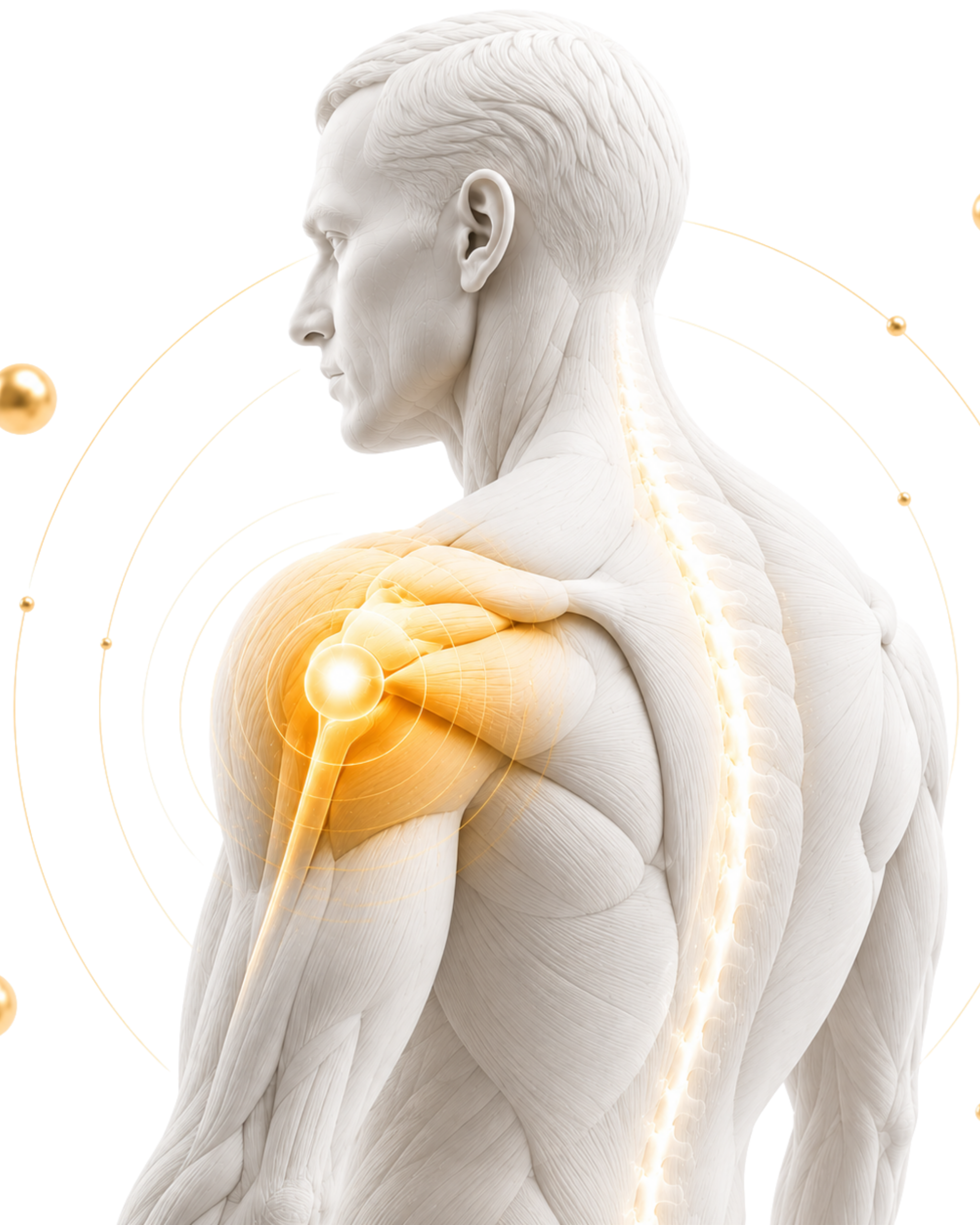
QUICK OVERVIEW
Shoulder Pain at a Glance
| Information | Details |
|---|---|
| What is it? | Pain or discomfort around the shoulder joint that may affect movement, strength, and daily activities. |
| Common Age Group | Can occur at any age. Rotator cuff–related pain is more common after 35 years, while frozen shoulder is more common between 40–60 years. |
| Typical Recovery Time | Mild conditions often improve within 6–12 weeks. Some conditions, such as frozen shoulder, may take several months to recover. |
| Common Causes | Rotator cuff disorders, tendon irritation, bursitis, joint stiffness, overuse, muscle imbalance, arthritis, and traumatic injuries. |
| Pain Location | Front, side, or back of the shoulder, sometimes extending into the upper arm. |
| Treatment Success | Most people recover successfully with conservative treatment. Surgery is only necessary for selected conditions. |
COMMON SIGNS & SYMPTOMS
Is This What You're Feeling?
Shoulder Pain
A dull ache or sharp pain around the shoulder that may worsen with certain movements.
Pain When Reaching Overhead
Difficulty placing objects on shelves or reaching above shoulder height.
Pain During Lifting
Discomfort while carrying groceries, lifting weights, or picking up children.
Night Pain
Pain that worsens when lying on the affected shoulder or interrupts sleep.
Stiffness
Difficulty reaching behind your back or raising your arm fully.
Weakness
Reduced strength when lifting or rotating the arm.
Clicking or Catching
Some people notice clicking or a catching sensation during shoulder movement. This does not always indicate serious injury.
Pain Radiating Into the Upper Arm
Pain may extend into the upper arm but usually does not travel below the elbow in mechanical shoulder conditions.
COMMON CAUSES
Why Does It Happen?
Shoulder pain can result from mechanical overload, injury, degeneration, or movement dysfunction.
Rotator Cuff–Related Shoulder Pain
The most common cause of shoulder pain. It involves irritation or overload of the rotator cuff tendons and surrounding tissues.
Tendinopathy
Repeated loading may lead to changes within the tendon, causing pain and reduced function.
Bursitis
Inflammation or irritation of the subacromial bursa can contribute to pain during arm movement.
Frozen Shoulder (Adhesive Capsulitis)
A condition characterized by progressive pain and significant stiffness due to tightening of the shoulder capsule.
Shoulder Arthritis
Degenerative changes in the shoulder joint may lead to pain, stiffness, and reduced mobility.
Muscle Imbalance
Weakness or poor coordination of the rotator cuff and shoulder blade muscles can affect shoulder mechanics.
Overuse
Repetitive overhead activities in sports or work can overload shoulder structures.
Trauma
Falls, sporting injuries, or sudden heavy lifting can damage muscles, tendons, ligaments, or bones.
RISK FACTORS
Who Is Most at Risk?
Office Workers
Prolonged sitting and reduced upper back movement.
Overhead Athletes
Sports such as tennis, swimming, volleyball, cricket, and baseball.
Manual Workers
Frequent lifting or repetitive overhead work.
Older Adults
Age-related tendon and joint changes increase the likelihood of shoulder pain.
People with Diabetes
Higher risk of developing frozen shoulder.
Individuals with Previous Shoulder Injuries
Previous episodes increase the risk of recurrence.
DIAGNOSIS
How Is It Diagnosed?
Clinical Assessment
Medical History
Your physiotherapist will ask about:
- When symptoms started
- Pain location
- Mechanism of injury
- Aggravating and relieving activities
- Night pain
- Previous shoulder problems
- Occupation and sporting activities
Physical Examination
Assessment may include:
- Shoulder posture
- Active and passive range of motion
- Muscle strength
- Functional tasks
- Scapular movement
- Cervical spine screening
Special Tests
Depending on your symptoms, your physiotherapist may perform tests to assess:
- Rotator cuff function
- Shoulder instability
- Frozen shoulder
- Acromioclavicular joint involvement
- Biceps tendon disorders
- Labral injuries
No single special test is perfectly accurate. A diagnosis is based on the combination of your history, examination findings, and clinical reasoning.
Imaging
Routine imaging is not necessary for many cases of shoulder pain.
Ultrasound, X-rays, or MRI may be recommended if:
- A full-thickness rotator cuff tear is suspected
- Significant trauma has occurred
- Fracture or dislocation is suspected
- Symptoms persist despite appropriate rehabilitation
- Surgery is being considered
SEEKING HELP
When Should You Get Help?
Self-Management
Usually appropriate if:
- Mild pain
- Improving symptoms
- Able to move the shoulder
- No major weakness
Book a Physiotherapy Assessment
Recommended if:
- Pain lasts longer than one to two weeks
- Difficulty lifting the arm
- Increasing stiffness
- Pain affecting work, sport, or sleep
- Recurrent shoulder pain
Seek Immediate Medical Attention
Seek urgent assessment if you experience:
- Obvious shoulder deformity after trauma
- Inability to move the arm following an injury
- Severe pain after a fall or accident
- Fever with a painful, swollen shoulder
- Progressive numbness or weakness in the arm
- Sudden loss of circulation or sensation in the arm
TREATMENT
Treatment Options
Most people with shoulder pain recover well with conservative care. Here are the main treatment options.
Education
Understanding your condition and remaining appropriately active are important parts of recovery.
Exercise Therapy
Targeted strengthening and mobility exercises are the foundation of treatment for most shoulder conditions.
Manual Therapy
Joint mobilization and soft tissue techniques may help reduce pain and improve movement when combined with exercise.
Activity Modification
Temporarily reducing aggravating activities while gradually returning to normal function can support recovery.
Medication
Pain-relieving medication may be appropriate for short-term symptom management under medical guidance.
Injections
Corticosteroid injections may be considered in selected cases, such as adhesive capsulitis or certain inflammatory shoulder conditions, after clinical evaluation.
Surgery
Surgery may be appropriate for selected conditions such as traumatic full-thickness rotator cuff tears, recurrent instability, or advanced arthritis when conservative management has not been successful.
PHYSIOTHERAPY
How Physiotherapy Helps
Physiotherapy aims to reduce pain, restore movement, improve strength, and help you return to daily activities, work, and sport.
Treatment may include:
- Individualized exercise programmes
- Rotator cuff strengthening
- Scapular muscle retraining
- Shoulder mobility exercises
- Manual therapy when indicated
- Education on movement and load management
- Return-to-work advice
- Return-to-sport guidance
- Strategies to reduce the risk of recurrence
RECOVERY JOURNEY
Recovery Timeline
Week 1–2
Pain management, education, gentle movement, and maintaining activity within comfort.
Week 2–6
Improved mobility, gradual strengthening, and increasing functional use of the arm.
Week 6–12
Further strength gains, improved shoulder control, and return to most daily activities and recreational exercise.
Beyond 3 Months
Persistent or more complex conditions may require longer rehabilitation focused on strength, endurance, and functional recovery.
EXERCISE LIBRARY
Recommended Exercises
These exercises are commonly used in shoulder rehabilitation. Always follow guidance from your physiotherapist.
Pendulum Exercise
EasyTarget: Gentle shoulder mobility
Repetitions: 30–60 seconds × 2–3 sets
Precaution: Use gentle movements without forcing the shoulder.
Wall Slides
EasyTarget: Shoulder mobility and scapular control
Repetitions: 10–15 × 2 sets
Isometric External Rotation
EasyTarget: Rotator cuff muscles
Hold: 5–10 seconds
Repeat: 10 times
Resistance Band External Rotation
ModerateTarget: Rotator cuff strengthening
Repetitions: 10–15 × 2–3 sets
Scapular Retraction
ModerateTarget: Middle trapezius and rhomboids
Repetitions: 12–15 × 2 sets
Serratus Anterior Wall Punch
ModerateTarget: Serratus anterior
Repetitions: 10–15 × 2 sets
LONG-TERM HEALTH
Prevention Tips
Simple daily habits can significantly reduce the risk of shoulder pain returning.
Stay Active
Regular movement helps maintain shoulder mobility and strength.
Strengthen the Rotator Cuff
Include shoulder and upper back strengthening exercises as part of your routine.
Warm Up Before Activity
Prepare your muscles and joints before sports or overhead work.
Improve Workplace Ergonomics
Adjust your workstation to reduce unnecessary strain on the neck and shoulders.
Progress Training Gradually
Avoid sudden increases in exercise intensity or lifting volume.
Maintain Good Thoracic Mobility
Keeping the upper back mobile may improve shoulder function during overhead activities.
FREQUENTLY ASKED QUESTIONS
Common Questions
EXPLORE MORE
Related Conditions
LEARN MORE
Related Resources
Ready to Get Your Shoulder
Moving Again?
If shoulder pain is making it difficult to work, exercise, sleep, or enjoy everyday activities, an assessment by a physiotherapist can help identify the underlying cause and develop a personalised rehabilitation plan to restore movement, strength, and confidence.
Book Your Physiotherapy Assessment TodayEarly intervention often leads to faster and better outcomes.