
Low Back Pain
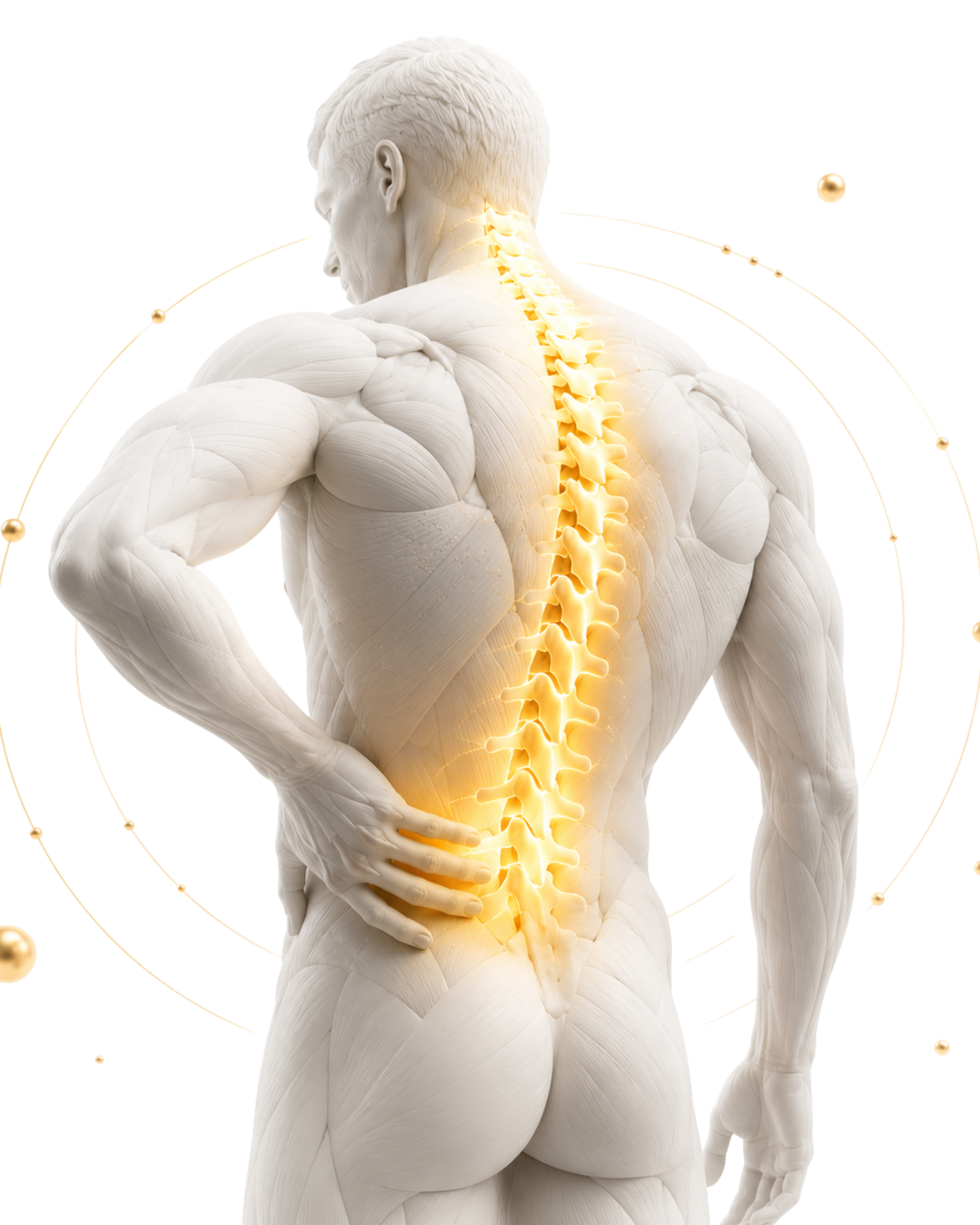
Understand why lower back pain happens, what may be causing it, and how physiotherapy can help you move with confidence again.
Lower back pain can affect everyday activities such as walking, sitting, lifting, exercising, and sleeping. Most episodes improve with the right combination of movement, education, and physiotherapy rather than prolonged rest.
QUICK OVERVIEW
Low Back Pain at a Glance
| Item | Information |
|---|---|
| What is it? | Pain, stiffness, or discomfort affecting the lower part of the spine, with or without pain spreading into the buttocks or legs. |
| Common Age Group | Most common between 30–60 years, but can occur at any age. |
| Typical Recovery Time | Acute episodes often improve within 2–6 weeks. Recovery varies depending on the cause and individual factors. |
| Common Causes | Muscle strain, ligament sprain, disc irritation, joint dysfunction, prolonged sitting, heavy lifting, poor conditioning, or age-related changes. |
| Pain Location | Lower back, around the lumbar spine, sometimes extending to the buttocks or upper thighs. |
| Treatment Success | Most people improve with conservative management, including education, exercise, and physiotherapy. Surgery is required in only a small proportion of cases. |
COMMON SIGNS AND SYMPTOMS
Is This What You're Feeling?
Lower back pain can present in many ways. Here are the most common signs and symptoms we see in our patients.
Lower Back Pain
A dull ache or sharp pain in the lower back that may worsen with certain movements.
Morning Stiffness
Difficulty moving after waking or after sitting for prolonged periods.
Pain During Bending
Discomfort when bending forward, lifting objects, or twisting.
Muscle Tightness
Tightness in the muscles surrounding the lower back, hips, or buttocks.
Reduced Mobility
Difficulty standing upright, walking long distances, or changing positions comfortably.
Pain After Sitting
Symptoms may increase after prolonged sitting, driving, or desk work.
Pain with Standing
Some people experience worsening symptoms after prolonged standing.
Pain Radiating to the Buttock or Leg
Pain may spread into the buttock or upper leg. If pain extends below the knee with numbness or weakness, further assessment is recommended.
COMMON CAUSES
Why Does It Happen?
Low back pain can have multiple contributing factors. Understanding the possible causes helps guide effective treatment and prevention.
Muscle or Ligament Strain
Sudden lifting, twisting, or overuse can overload muscles and ligaments, causing pain and inflammation.
Poor Movement Habits
Repeated bending, awkward lifting, prolonged sitting, or reduced physical activity can contribute to symptoms.
Lumbar Disc Irritation
The discs between the vertebrae may become irritated or injured, sometimes causing localized pain or nerve irritation.
Facet Joint Irritation
Small joints in the back of the spine can become painful due to mechanical stress or age-related changes.
Reduced Core and Hip Strength
Weak trunk and hip muscles may reduce spinal support during everyday activities.
Degenerative Changes
Age-related changes in discs and joints are common and do not always cause pain. Imaging findings do not necessarily correlate with symptoms.
Lifestyle Factors
Stress, poor sleep, smoking, reduced physical activity, and obesity may increase the likelihood or persistence of low back pain.
RISK FACTORS
Who Is Most at Risk?
Certain lifestyles and activities can increase the likelihood of developing or recurring low back pain.
Office Workers
Prolonged sitting and limited movement throughout the day.
Manual Workers
Frequent lifting, carrying, pushing, or repetitive bending.
Athletes
Sports involving repeated twisting, heavy loading, or high-impact activities.
Older Adults
Age-related changes may contribute to stiffness or reduced function.
People with Sedentary Lifestyles
Reduced physical activity can contribute to decreased strength and endurance.
Individuals with Previous Episodes
Previous low back pain increases the likelihood of recurrence.
DIAGNOSIS
How Is It Diagnosed?
Clinical Assessment
Medical History
Your physiotherapist or healthcare professional will ask about:
- When the pain started
- Location of pain
- Aggravating and relieving factors
- Previous episodes
- Occupation and activity level
- General health and medical history
Physical Examination
Assessment may include:
- Posture
- Lumbar movement
- Walking pattern
- Muscle strength
- Flexibility
- Neurological examination
- Functional activities
Special Tests
Depending on symptoms, assessment may include tests for:
- Nerve root involvement
- Lumbar mobility
- Hip contribution
- Sacroiliac joint assessment
Imaging
Routine imaging is not recommended for most people with uncomplicated low back pain.
X-rays, MRI, or CT scans may be considered when:
- Serious pathology is suspected
- Significant neurological deficits are present
- Symptoms persist despite appropriate management
- Surgical opinion is being considered
SEEKING HELP
When Should You Get Help?
Monitor at Home
Suitable if:
- Mild pain
- Improving symptoms
- Able to continue normal activities
- No numbness or weakness
Book a Physiotherapy Assessment
Recommended if:
- Pain lasts longer than one to two weeks
- Pain keeps returning
- Difficulty working or exercising
- Increasing stiffness
- Reduced movement
Seek Urgent Medical Care
Seek immediate medical attention if you experience:
- Loss of bladder or bowel control
- Numbness around the groin or saddle area
- Progressive leg weakness
- Fever with severe back pain
- Unexplained weight loss with persistent pain
- History of significant trauma
- Suspected fracture or infection
TREATMENT
Treatment Options
Most people with low back pain recover well with conservative care. Here are the main treatment options.
Education
Understanding the condition, staying active, and avoiding unnecessary bed rest are key components of recovery.
Exercise Therapy
Targeted exercises improve flexibility, strength, endurance, and confidence in movement.
Manual Therapy
In selected patients, spinal mobilization or manipulation combined with exercise may provide short-term symptom relief.
Lifestyle Modification
Improving sleep, managing stress, maintaining a healthy body weight, and regular physical activity support recovery.
Medication
Pain-relieving medications may help some individuals in the short term. They should be discussed with a qualified medical practitioner.
Injections
May be appropriate for selected individuals with persistent symptoms after specialist evaluation.
Surgery
Surgery is generally reserved for specific conditions such as significant nerve compression, spinal instability, or certain structural disorders. It is not required for most people with non-specific low back pain.
PHYSIOTHERAPY
How Physiotherapy Helps
Physiotherapy aims to reduce pain, restore movement, improve strength, and help you return to everyday activities safely.
Treatment may include:
- Individualized exercise programmes
- Education about pain and movement
- Manual therapy when appropriate
- Mobility training
- Core and hip strengthening
- Functional movement retraining
- Return-to-work advice
- Return-to-sport guidance
- Long-term prevention strategies
RECOVERY JOURNEY
Recovery Timeline
Week 1–2
Pain management, education, gentle movement, and maintaining daily activities as tolerated.
Week 2–6
Improved mobility, reduced stiffness, gradual strengthening, and increasing activity levels.
Week 6–12
Enhanced strength, endurance, and functional recovery. Return to most daily activities and recreational exercise.
Beyond 3 Months
For persistent symptoms, rehabilitation focuses on building resilience, addressing contributing factors, and reducing the risk of recurrence.
EXERCISE LIBRARY
Recommended Exercises
These exercises are commonly used in low back pain rehabilitation. Always follow guidance from your physiotherapist.
Pelvic Tilt
EasyTarget: Deep abdominal muscles and lumbar mobility
Repetitions: 10–15 repetitions × 2 sets
Precaution: Avoid holding your breath.
Knee-to-Chest Stretch
EasyTarget: Lower back and hip flexibility
Hold: 20–30 seconds
Repeat: 3 times each side
Cat-Camel Exercise
EasyTarget: Lumbar mobility
Repetitions: 10–15
Bird Dog
ModerateTarget: Core muscles, gluteals, and spinal stability
Repetitions: 8–12 each side
Glute Bridge
ModerateTarget: Gluteal muscles and posterior chain
Repetitions: 10–15 × 2–3 sets
Modified Side Plank
ModerateTarget: Lateral core stability
Hold: 15–30 seconds
Repeat: 3 times
LONG-TERM HEALTH
Prevention Tips
Simple daily habits can significantly reduce the risk of low back pain returning.
Stay Physically Active
Regular movement is one of the most effective ways to reduce the risk of recurrent low back pain.
Strengthen Your Core and Hips
Maintain good strength and endurance in the trunk and hip muscles.
Lift Smart
Use your legs, keep the load close to your body, and avoid sudden twisting while lifting.
Break Up Long Periods of Sitting
Stand, stretch, or walk every 30–60 minutes if your work involves prolonged sitting.
Maintain a Healthy Lifestyle
Prioritize adequate sleep, stress management, regular exercise, and a healthy body weight.
Build Gradually
Increase exercise intensity or lifting loads progressively to avoid sudden overload.
FREQUENTLY ASKED QUESTIONS
Common Questions
Ready to Take the First Step
Toward Recovery?
If lower back pain is limiting your work, exercise, or daily life, an assessment by a physiotherapist can help identify contributing factors and create a personalised rehabilitation plan based on your goals and symptoms.
Book Your Physiotherapy Assessment TodayEarly intervention often leads to faster and better outcomes.